Knowledge Station
Expert guides on speech therapy, neurologopedic care, myofunctional therapy, AAC, and child speech development

Autism and the first speech therapy visit: how to prepare your child step by step
The first speech therapy visit can be a significant challenge for a child on the autism spectrum and their parent. This article guides you step by step: what to bring, how to familiarise your child with the clinic, and what to expect at StacjaMowa in Gdańsk.
Author: mgr Edyta Bykowska

Speech therapist and orthodontist: how to support breathing, swallowing, and speech in a child with braces
A malocclusion is rarely an isolated issue. Collaboration between a speech therapist and orthodontist may support breathing, swallowing, tongue posture, and clearer speech at the same time.
Author: mgr Edyta Bykowska
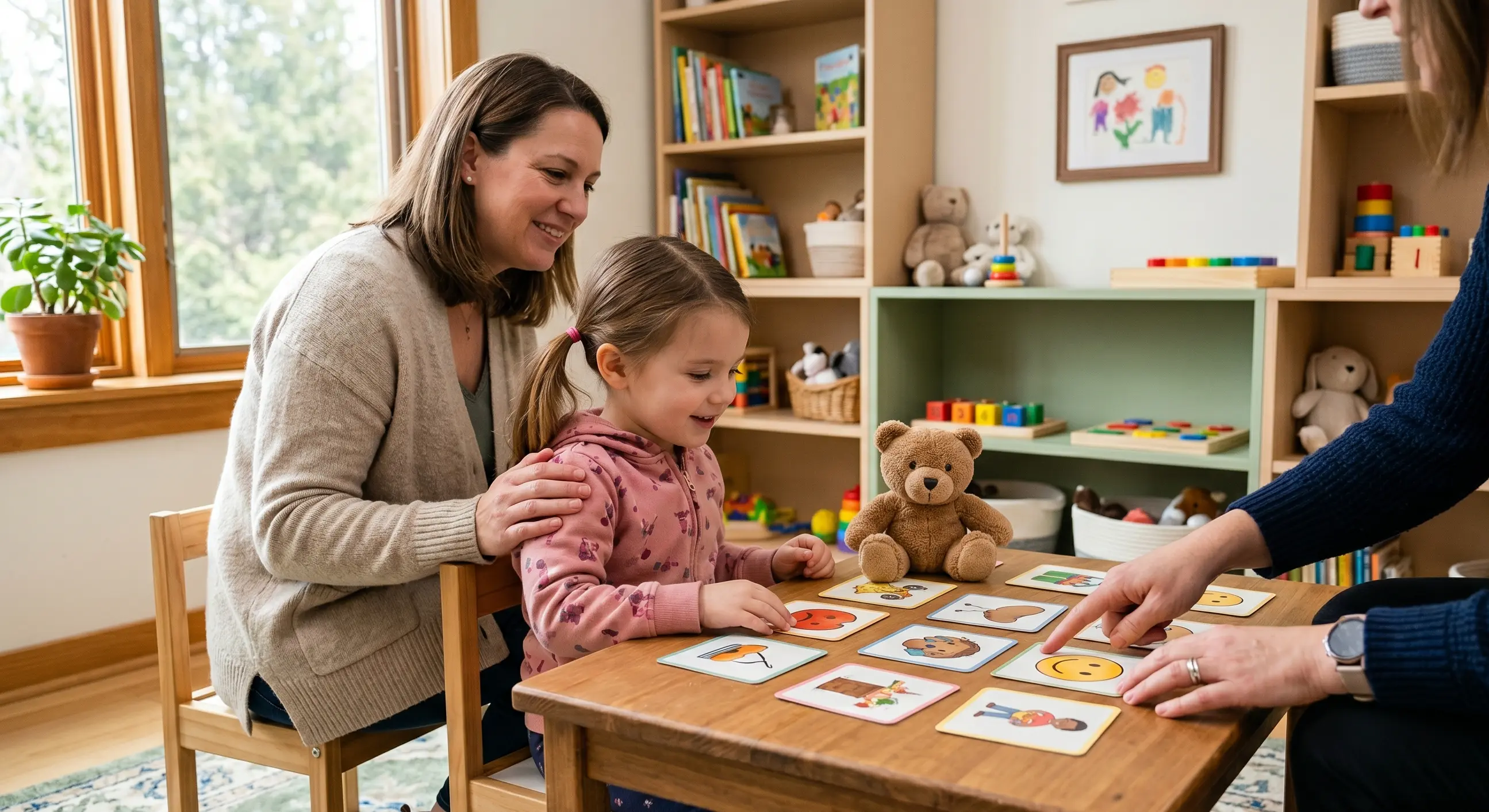
How to prepare your child for a speech therapy assessment: a parent guide
A first speech therapy visit can feel emotional for children and parents. Learn how to prepare, what to bring, and what a speech therapy assessment at StacjaMowa looks like-calmly and clearly.
Author: mgr Edyta Bykowska

AAC for a child who speaks a little: when does augmentative communication really help?
Your child says a few words, but they are hard to understand? This is a good moment to consider AAC as support for everyday communication. Research shows that well-chosen AAC does not stop speech and can support language development.
Author: mgr Edyta Bykowska

Delayed speech development and sensory processing: when sensory difficulties affect communication
In some children, delayed speech appears together with sensory-processing difficulties. We explain how this can affect communication and when a broader assessment may be helpful.
Author: mgr Edyta Bykowska

AAC in practice: how to introduce supported communication for a child who is not speaking yet
AAC does not replace speech. It helps a child express needs before spoken words are fully available. Learn when to consider it and how step-by-step implementation works.
Author: mgr Edyta Bykowska

Hand therapy and speech: how a skilled hand helps a child talk and write
Difficulty holding a pencil, tiring quickly while drawing, and untidy handwriting often go hand in hand with delayed speech or communication difficulties. We explain how hand therapy, speech therapy and pedagogical therapy can work together to help a child talk and write with more ease.
Author: mgr Edyta Bykowska
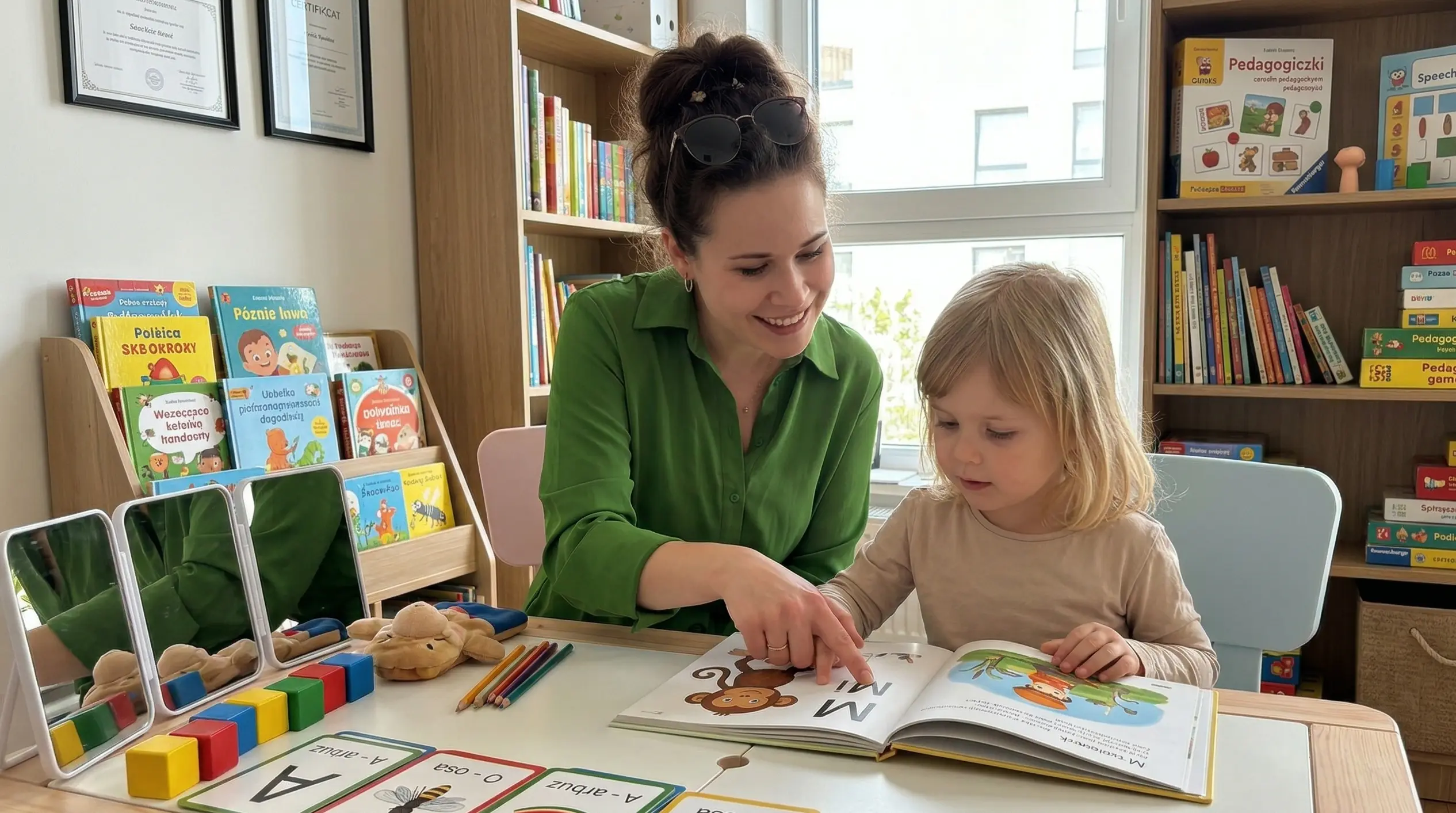
How to prepare a child for learning to read and write - the role of the speech therapist and pedagogical therapy
Readiness for learning to read and write is more than knowing the letters. It includes developed language, a skilled hand and the ability to concentrate. This article shows how to support your child at home and when to involve a speech therapist and pedagogical therapy.
Author: mgr Edyta Bykowska

Lisping in Children - Causes, Types, and Simple Speech Therapy Exercises at Home
Interdental lisping is a common problem in pre-schoolers that children do not simply "grow out of." Find out where it comes from and how to practise at home with your child.
Author: mgr Edyta Bykowska