Knowledge Station
Expert guides on speech therapy, neurologopedic care, myofunctional therapy, AAC, and child speech development

Rhotacism in children: when is missing Polish “r” a reason to see a speech therapist?
Rhotacism is difficulty producing the Polish “r” sound. See when missing “r” may still fit typical development, when to consult a speech therapist, and what therapy looks like.
Author: mgr Edyta Bykowska

Selective Mutism in Children - When Is Silence Not Just Shyness?
Selective mutism is an anxiety disorder: the child speaks freely at home, but stays silent at kindergarten or school not by choice, but because of strong anxiety. See how to recognise the first signals, who makes the diagnosis, and what small-steps therapy looks like.
Author: mgr Edyta Bykowska
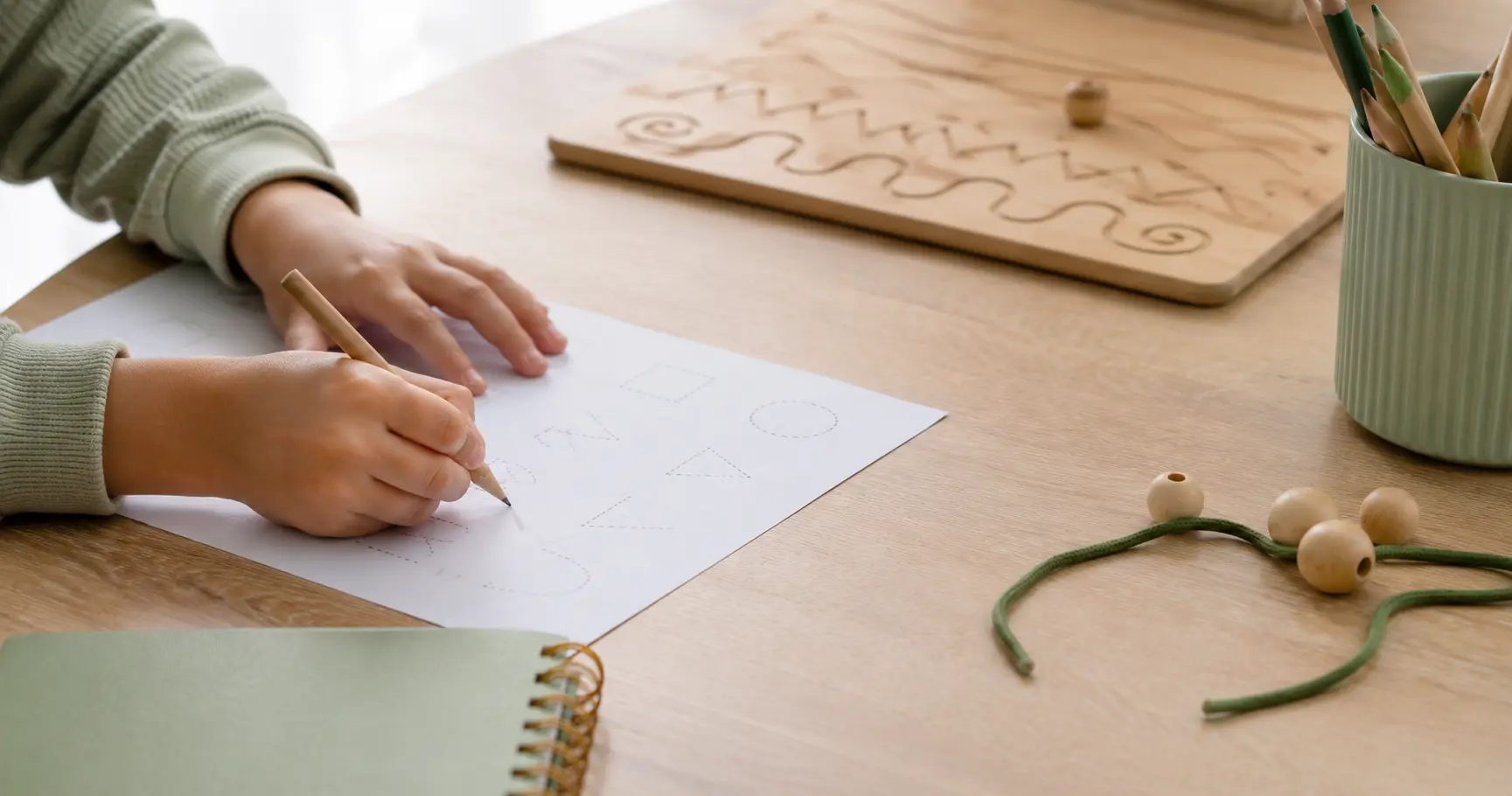
Pedagogical Therapy for Children - When to Refer and What Therapy Looks Like
Pedagogical therapy is not tutoring - it works on the cognitive functions that make it hard for a child to learn reading, writing, and maths. See which signs should prompt a consultation and what therapy looks like in practice.
Author: mgr Edyta Bykowska

Adult snoring: when is it worth seeing a specialist?
Adult snoring does not always mean disease, but it deserves attention when pauses in breathing, daytime sleepiness, or waking with breathlessness appear. We explain when medical assessment is needed and where myofunctional therapy may fit.
Author: mgr Edyta Bykowska

Dysphagia after stroke: symptoms, therapy and neurologopedic support
Dysphagia after stroke can make eating, drinking, taking medication and daily functioning harder. We explain which symptoms to watch for, when to react urgently, and how a neurologopedist helps plan safe support.
Author: mgr Edyta Bykowska

Childhood stuttering: when should you see a speech therapist?
Your child repeats sounds, gets stuck, or avoids speaking, and you are not sure whether to wait or seek help. This guide explains when childhood disfluency needs speech therapy consultation.
Author: mgr Edyta Bykowska

GOPEX therapy: when to consider support for breathing and swallowing?
GOPEX therapy organises work on breathing, swallowing, chewing and tongue position. See when it is worth considering and when a medical or orthodontic consultation is needed instead.
Author: mgr Edyta Bykowska

Tongue-tie in children: when to see a speech therapist and orthodontist?
Tongue-tie should be assessed through function, not appearance alone. See when speech therapy consultation can help plan the next steps.
Author: mgr Edyta Bykowska

Child mouth breathing: when to see a speech therapist and orthodontist?
Mouth breathing in a child calls for calm observation and often team-based assessment. A speech therapist checks orofacial function, while MFS may be considered only after qualification.
Author: mgr Edyta Bykowska