Speech therapy - practitioner for children and adults
Professional speech disorder therapy for children and adults | Individual approach | Clear therapy plan

Why Patients Choose StacjaMowa?
How we guide the process from assessment to therapy work.
Assess
First Step
understand needs
Plan
Tailored
to age and goal
Practice
Regular
clinic and home
Support
Family
in daily work
Speech Therapy Areas
Speech assessment and therapy adapted to the patient's age and needs
Therapy for Children

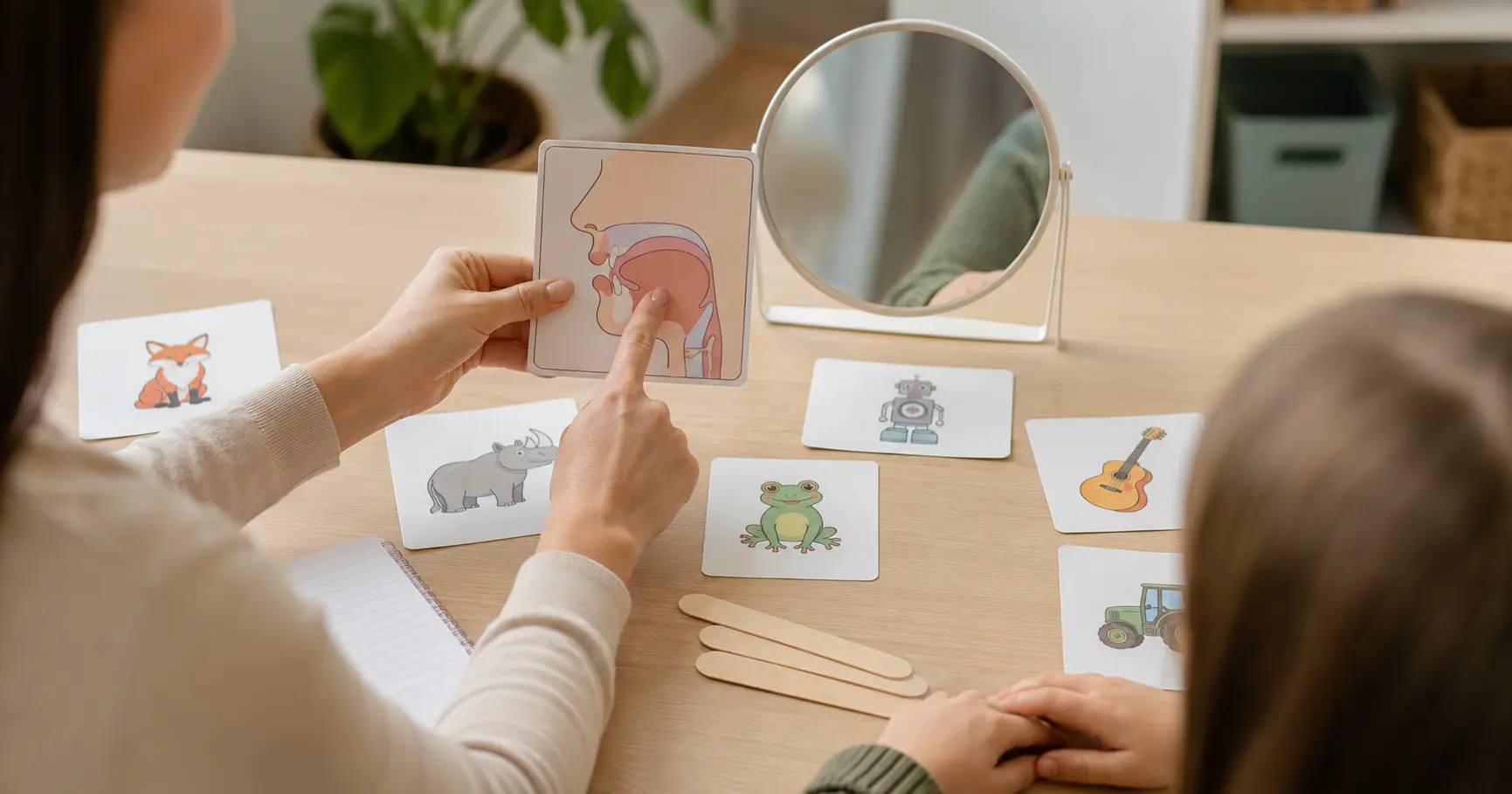
We start with an assessment: a parent interview, a hearing check, the structure and function of the articulators, and a speech sample from ordinary conversation. On that basis we set goals and a plan matched to the child’s age. Parents leave with home exercises, because the practice between sessions is what makes new skills stick.
Speech Therapy
Individual approach to each patient - children and adults
Speech Therapy
Work on speech development, pronunciation, voice, and communication for children and adults
- Goals after assessment
- Age-matched exercises
- Home practice guidance
Speech Assessment
Assessment of speech, communication, articulation, and fluency in children and adults
- Difficulty review
- Plan for next steps
- Recommendations explained
When to Choose Neurological Speech Therapy
Neurological speech therapy may be more appropriate for difficulties linked to the nervous system, swallowing, or orofacial functions
- Initial qualification
- Specialist selection
- Clear recommendations
Frequently Asked Questions
Find answers to the most frequently asked questions
Worth reading
Short articles from our therapists that go deeper
Rhotacism in children: when is missing Polish “r” a reason to see a speech therapist?
Rhotacism is difficulty producing the Polish “r” sound. See when missing “r” may still fit typical development, when to consult a speech therapist, and what therapy looks like.

Lisping in Children - Causes, Types, and Simple Speech Therapy Exercises at Home
Interdental lisping is a common problem in pre-schoolers that children do not simply "grow out of." Find out where it comes from and how to practise at home with your child.

Childhood stuttering: when should you see a speech therapist?
Your child repeats sounds, gets stuck, or avoids speaking, and you are not sure whether to wait or seek help. This guide explains when childhood disfluency needs speech therapy consultation.
See other services
More therapies we offer
Neurological speech therapy
Therapy for neurologically based speech disorders.
- Assessment of the child's current needs
- Goals matched to daily functioning
- Guidance for parents
Myofunctional therapy
Chewing, swallowing and breathing functions.
- MFT assessment
- Exercise plan
- Orthodontist collaboration
Augmentative communication (AAC)
Communication support for people with limited speech.
- Individual communication passport
- Learning to use AAC tools
- Social competence development
Delayed speech: assessment and therapy
Assessment and therapy when a child speaks later than peers.
- Assessment of the child's speech and communication
- Therapy plan after assessment
- Home practice guidance
Book Your First Visit
Contact us - we'll help choose the first step in communication work regardless of age