Knowledge Station
Expert guides on speech therapy, neurologopedic care, myofunctional therapy, AAC, and child speech development

Bilingual child: when does language development need a speech therapy consultation?
Bilingualism does not cause speech or language disorders, but it can make development harder to assess. Learn what is typical, which signs merit consultation, and what a fair assessment should include.
Author: mgr Edyta Bykowska
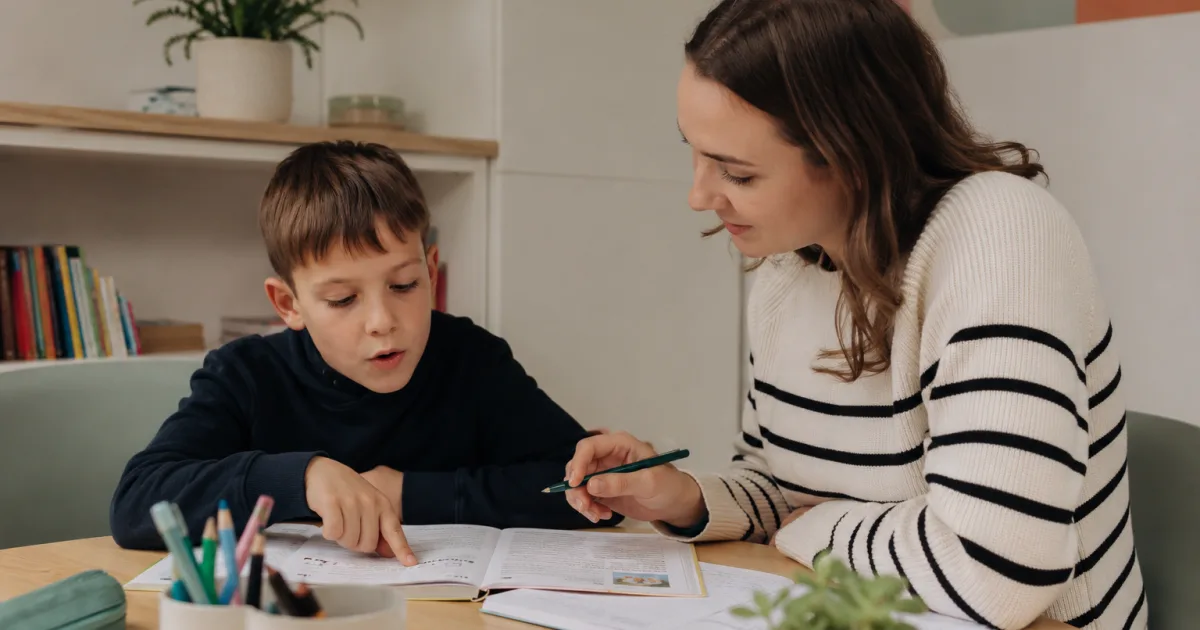
Speech Therapist, Neurologopedist, and Pedagogue in Primary School: How to Combine Speech Therapy and Learning Support?
Difficulties with speech, reading, and writing can be related. We explain what each specialist does and how to build a coherent support plan for a pupil at school, in the clinic, and at home.
Author: mgr Edyta Bykowska

Mouth breathing and bite: how GOPEX and MFS support orthodontic treatment
Chronic mouth breathing can affect a child’s bite, facial growth, and speech. See how GOPEX and MFS stimulators, with an orthodontist, support treatment results.
Author: mgr Edyta Bykowska
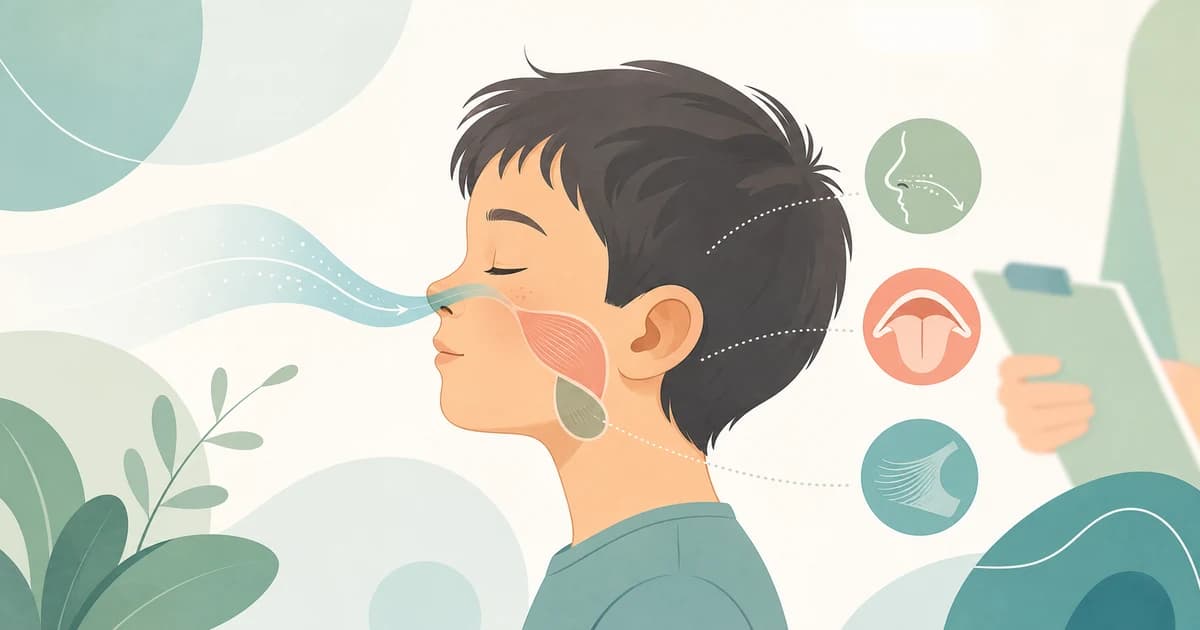
Myofunctional therapy for a mouth-breathing child: visits and home practice
Myofunctional therapy for a mouth-breathing child starts with understanding the cause. Therapy then works on tongue posture, lip seal, swallowing, and everyday routines.
Author: mgr Edyta Bykowska

Dysphagia in children: swallowing difficulties and when speech therapy can help
Dysphagia means difficulty swallowing safely and efficiently. It can appear from infancy onward. We explain when long meals, texture avoidance, coughing, or choking are worth discussing with a speech therapist or neurologopedic specialist.
Author: mgr Edyta Bykowska

Speech therapy exercises over the summer: how to avoid losing your child’s progress
A long summer break can undo freshly built speech for some children. Learn how short, regular home practice maintains therapy gains - calmly, playfully, and in line with the evidence.
Author: mgr Edyta Bykowska
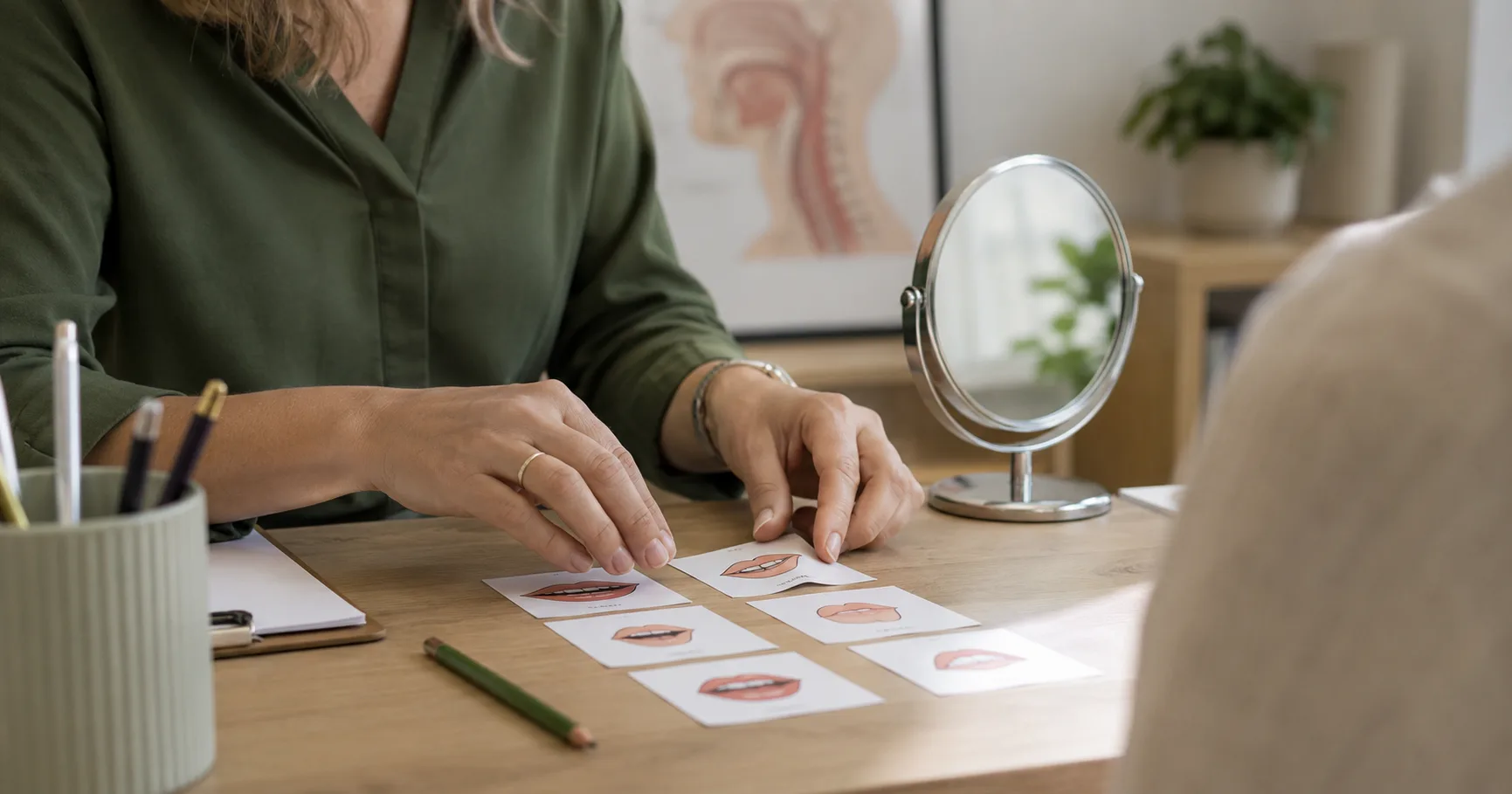
Dysarthria: what it is and how neurologopedic therapy can help
Dysarthria is a neurological motor speech disorder that may appear after stroke, traumatic brain injury, Parkinson disease, or other nervous system conditions. Learn how assessment and therapy are planned.
Author: mgr Edyta Bykowska
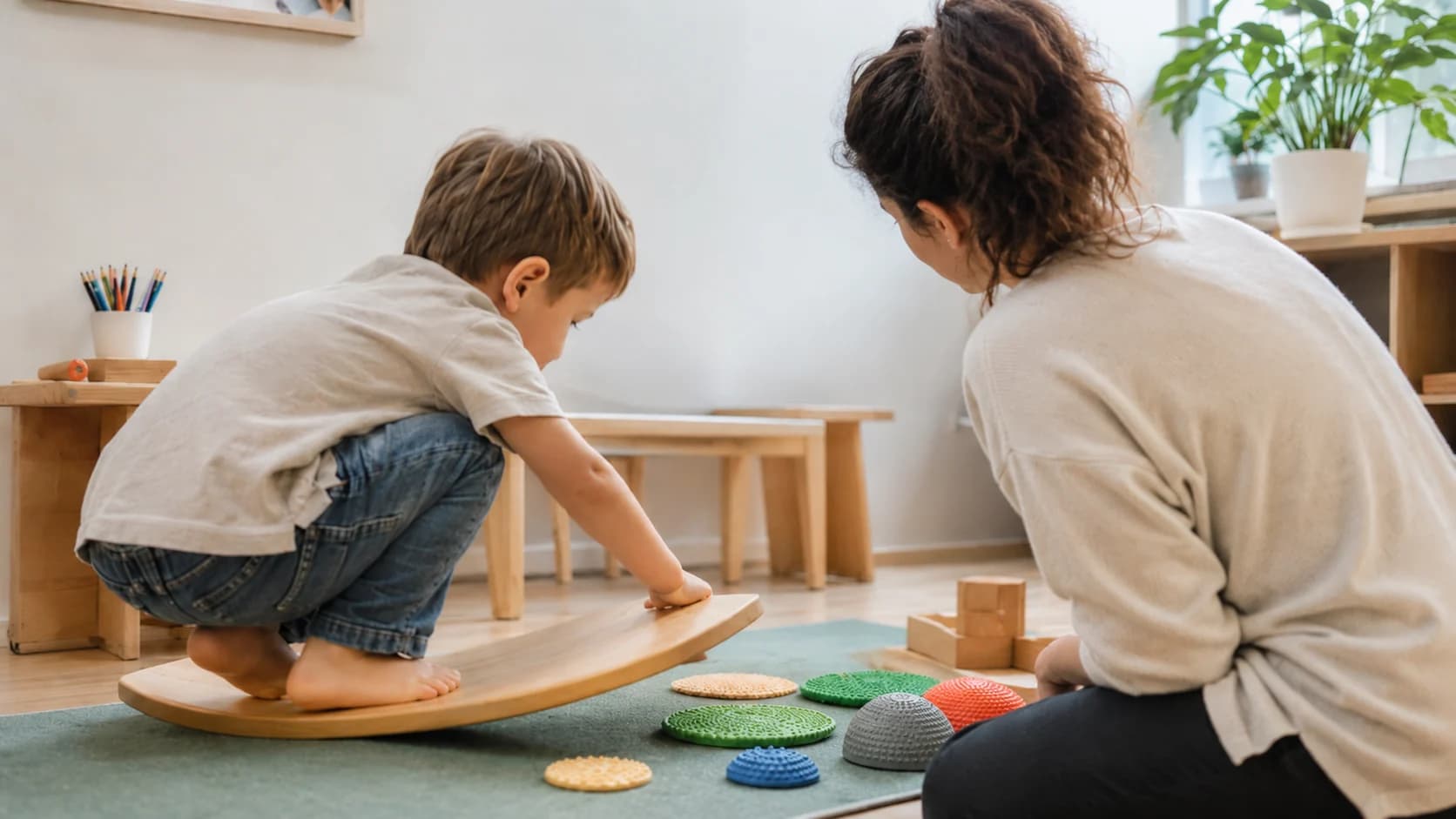
Sensory integration in children: when is an SI assessment worth considering?
Sensory integration is the way the nervous system organizes information from the body and the environment. When this process is difficult, everyday activities may become unnecessarily demanding for a child.
Author: mgr Edyta Bykowska

Aphasia after stroke: symptoms, types, and speech therapy
Aphasia is an acquired language disorder that can follow a stroke. It may affect speaking, understanding, reading, or writing. We explain common signs, main types, and how therapy is planned.
Author: mgr Edyta Bykowska