ENMOT electrostimulation
Modern support for Electro Neuro Mobilization of the Orofacial Area in speech and facial function rehabilitation.
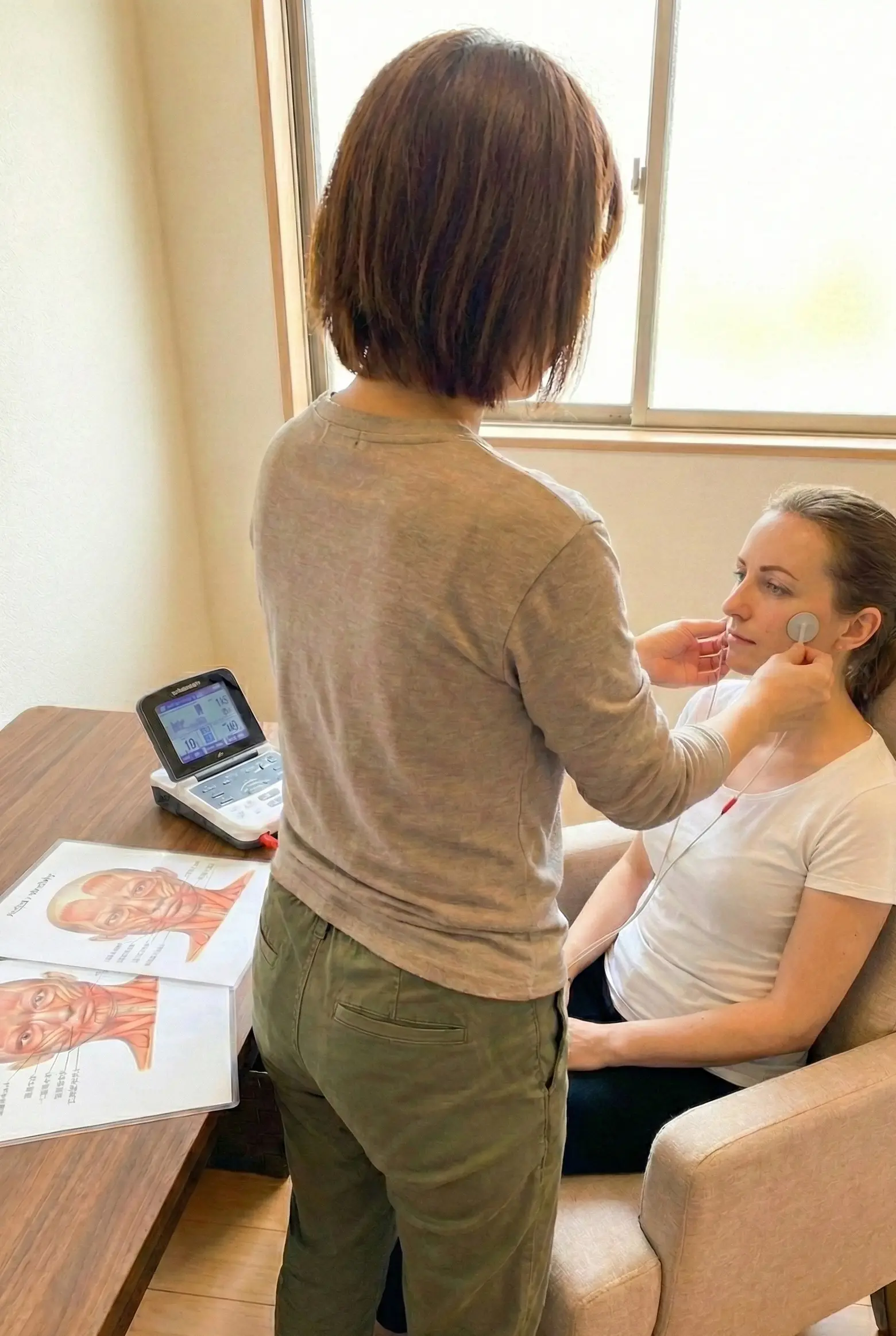
We start with qualification: we check the indications and contraindications. Stimulation supports therapy, it does not replace the exercises. We set the intensity to the patient’s response, and we track progress across the whole course.
Electrostimulation Applications
Support in returning to full speech and swallowing efficiency
Post-Stroke
We work on regaining control of face and mouth muscles weakened by a stroke or another neurological injury, where speech has lost clarity. We combine electrostimulation with articulation and breathing exercises, and the patient repeats part of the set at home. Evidence for electrostimulation alone in post-stroke speech rehabilitation is limited, so we use it as an addition to speech therapy, not a replacement for it.
Nerve Palsies
We work with facial nerve weakness, where the corner of the mouth droops, speech loses clarity, and the face becomes asymmetric. We combine electrical stimulation with manual therapy and facial exercises, and the patient also gets a home set. For the acute phase of facial palsy, evidence for electrostimulation is lacking, so we leave acute treatment to a neurologist and start therapy after their consultation.
Tension Disorders
We check muscle tone in the face and mouth, when it is low and the lips do not close, or raised and it makes speaking or eating harder. We choose exercises and manual work based on what we see during assessment, and the parent gets a simple set to repeat at home. When we suspect a neurological cause behind the tension disorder, we refer to a neurologist - speech therapy alone will not remove it.
Dysphagia
We support therapy for swallowing difficulties that make eating unsafe for children and adults. After qualification we combine electrical stimulation of swallowing muscles with exercises that retrain the process. Evidence for electrostimulation in dysphagia is limited and treats it as an addition to swallowing therapy, not a standalone method, and a doctor or speech-language pathologist sets safety checks.
Electrostimulation Procedures
Professional therapy tailored to your health condition
ENMOT Electrostimulation Session
Stimulation procedure using specialized electrodes and certified device
- Painless pulse application
- Deep muscle activation
- Improved facial area sensation
ENMOT Qualification
Initial diagnosis aimed at ruling out contraindications and setting a procedure plan
- Medical history analysis
- Pulse reaction testing
- Defining stimulation fields
Rehabilitation Package
Series of procedures focused on a specific therapeutic goal (e.g., post-stroke)
- Support for speech progress
- Work on muscle strength
- Support for facial symmetry
Frequently Asked Questions
Find answers to the most frequently asked questions
Worth reading
Short articles from our therapists that go deeper
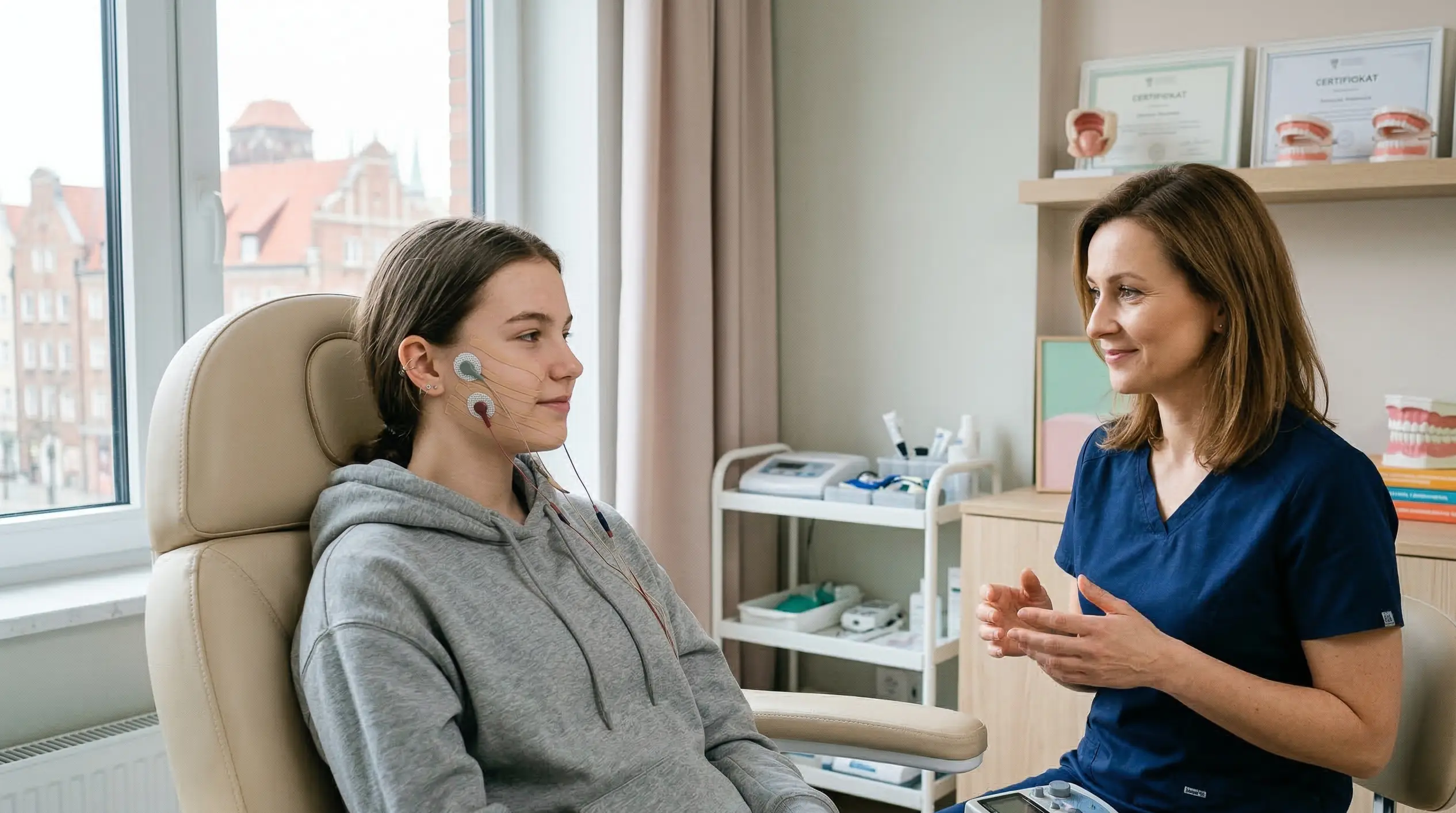
Electrostimulation and taping in speech therapy: when they help
Electrostimulation and taping can support oral-motor work when integrated with active therapy. Qualification, safety, and realistic goals are key.
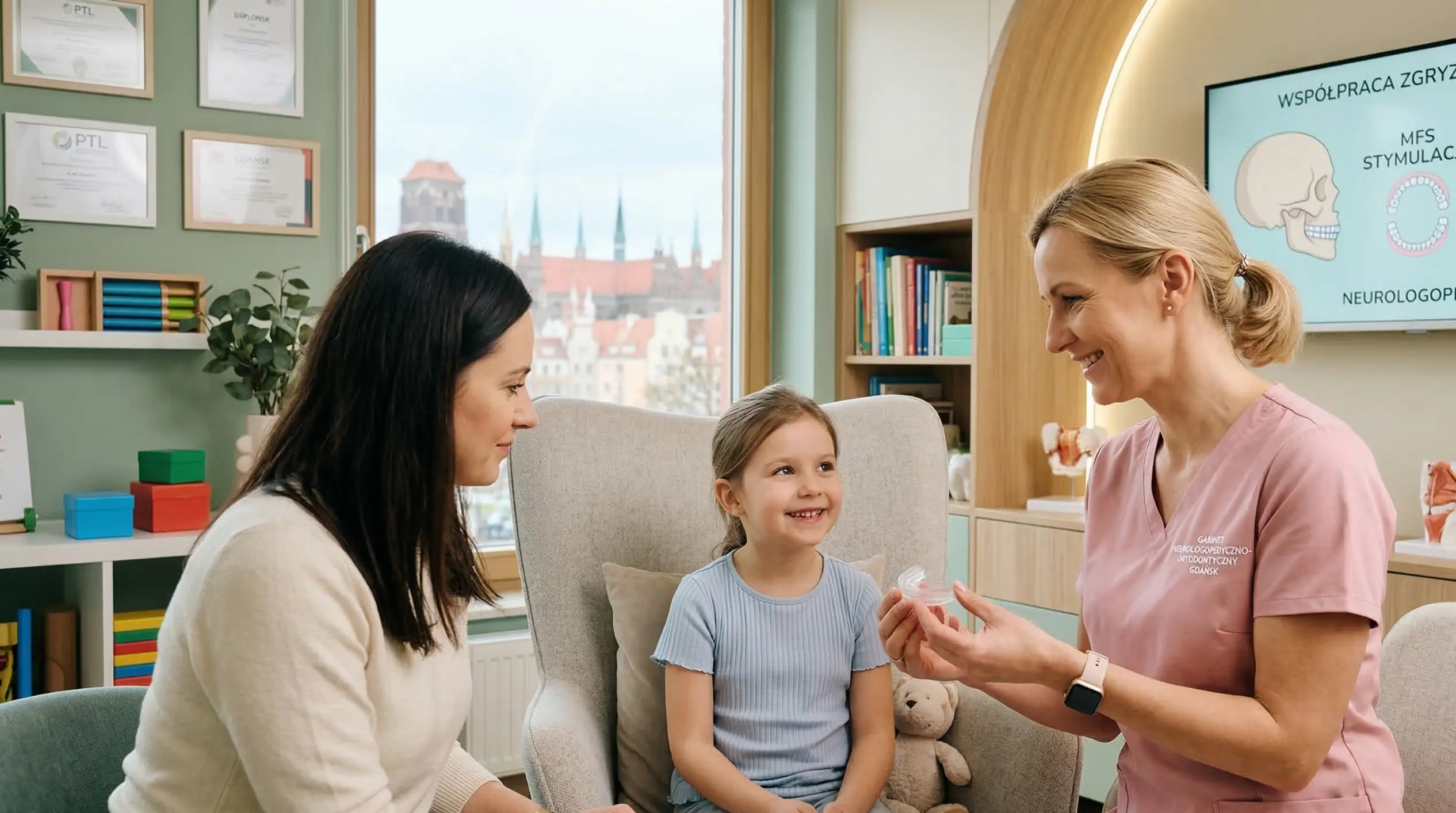
MFS stimulators in myofunctional therapy and orthodontic collaboration
MFS stimulators may support myofunctional therapy when paired with exercise and interdisciplinary planning. Assessment and follow-up determine if and when the device is useful.

Dysphagia after stroke: symptoms, therapy and neurologopedic support
Dysphagia after stroke can make eating, drinking, taking medication and daily functioning harder. We explain which symptoms to watch for, when to react urgently, and how a neurologopedist helps plan safe support.
See other services
More therapies we offer
Myofunctional therapy
Chewing, swallowing and breathing functions.
- MFT assessment
- Exercise plan
- Orthodontist collaboration
GOPEX therapy
Resting oral posture and craniofacial functions.
- Diagnosis included
- 30 days counselor support
- Orthodontic collaboration
Neurological speech therapy
Therapy for neurologically based speech disorders.
- Assessment of the child's current needs
- Goals matched to daily functioning
- Guidance for parents
Support Your Rehabilitation
Book a consultation and check whether ENMOT fits your needs