Orthodontic Speech Therapy
Collaboration between speech therapist and orthodontist in treating malocclusions.

Mouth breathing and bite: how GOPEX and MFS support orthodontic treatment
Chronic mouth breathing can affect a child’s bite, facial growth, and speech. See how GOPEX and MFS stimulators, with an orthodontist, support treatment results.
Author: mgr Edyta Bykowska
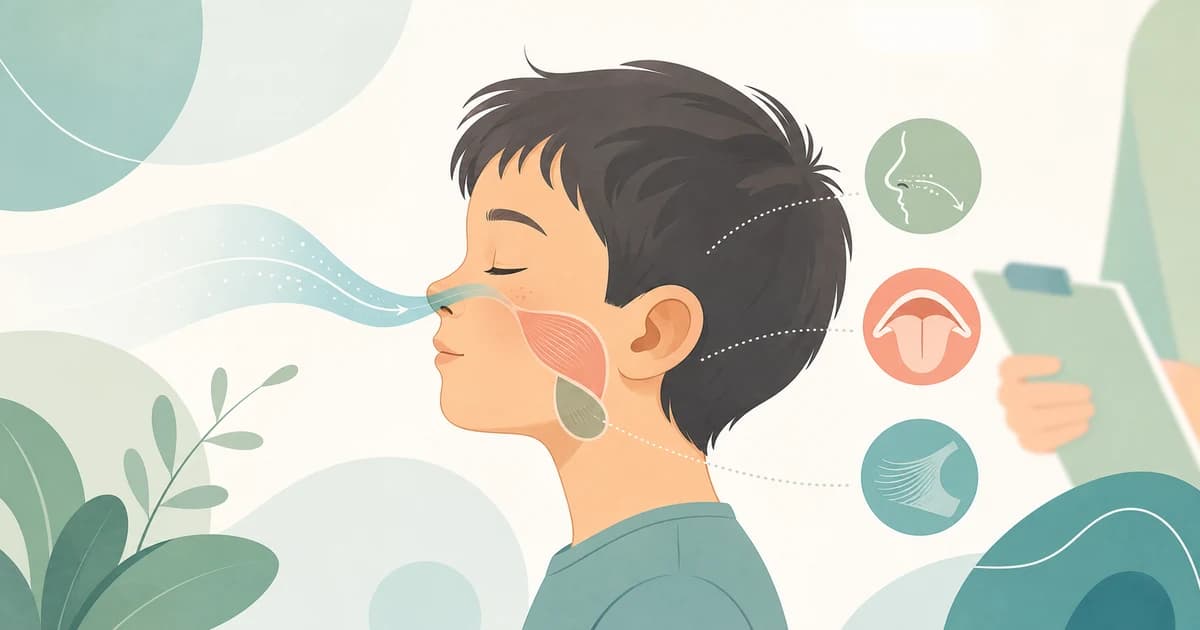
Myofunctional therapy for a mouth-breathing child: visits and home practice
Myofunctional therapy for a mouth-breathing child starts with understanding the cause. Therapy then works on tongue posture, lip seal, swallowing, and everyday routines.
Author: mgr Edyta Bykowska
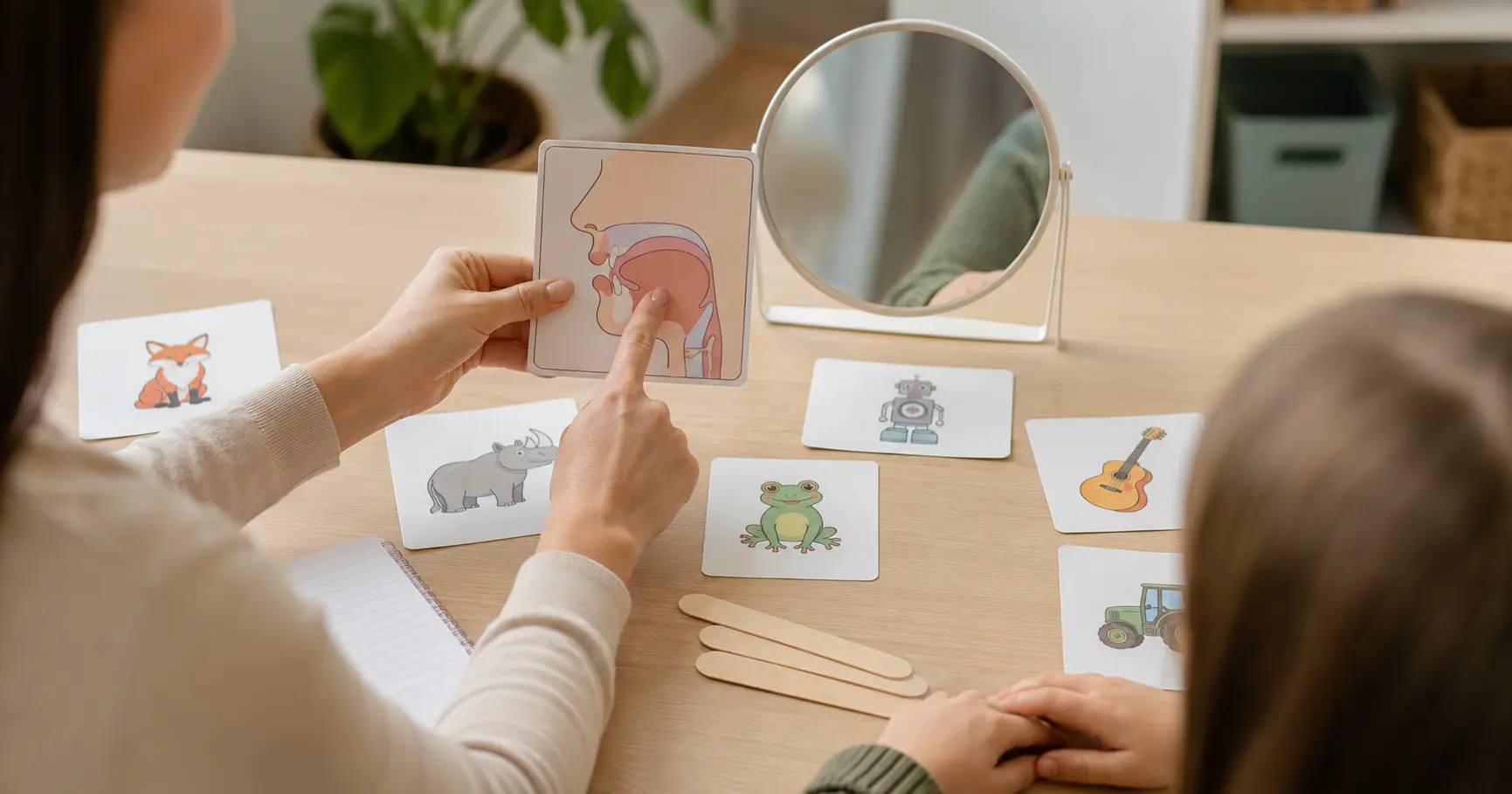
Rhotacism in children: when is missing Polish “r” a reason to see a speech therapist?
Rhotacism is difficulty producing the Polish “r” sound. See when missing “r” may still fit typical development, when to consult a speech therapist, and what therapy looks like.
Author: mgr Edyta Bykowska
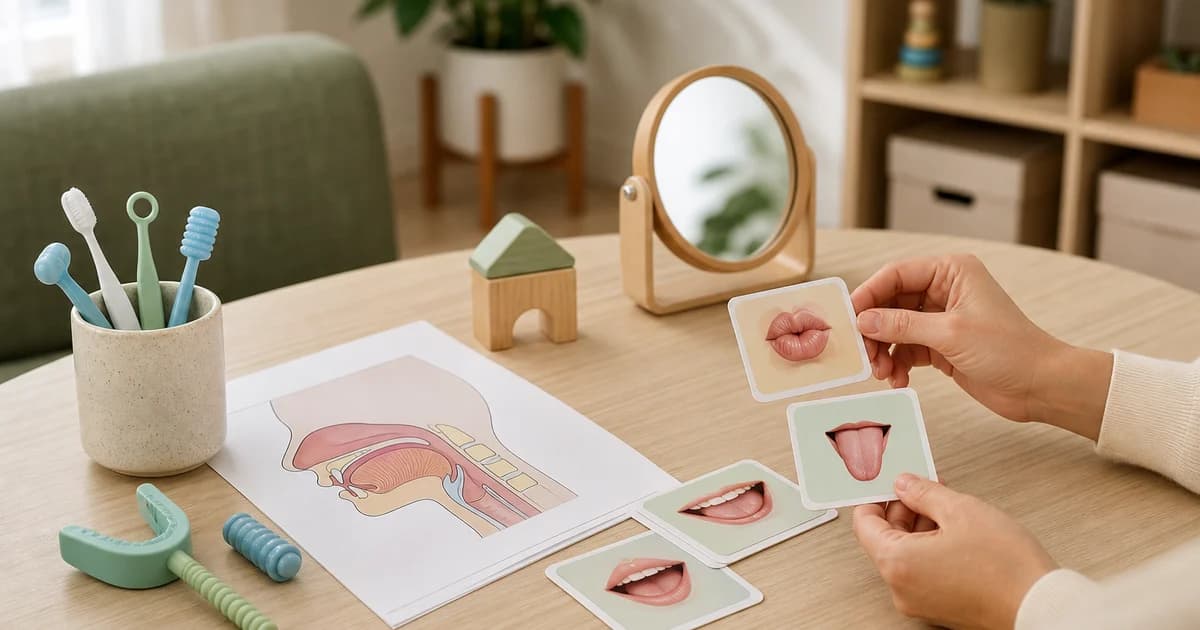
GOPEX therapy: when to consider support for breathing and swallowing?
GOPEX therapy organises work on breathing, swallowing, chewing and tongue position. See when it is worth considering and when a medical or orthodontic consultation is needed instead.
Author: mgr Edyta Bykowska

Tongue-tie in children: when to see a speech therapist and orthodontist?
Tongue-tie should be assessed through function, not appearance alone. See when speech therapy consultation can help plan the next steps.
Author: mgr Edyta Bykowska
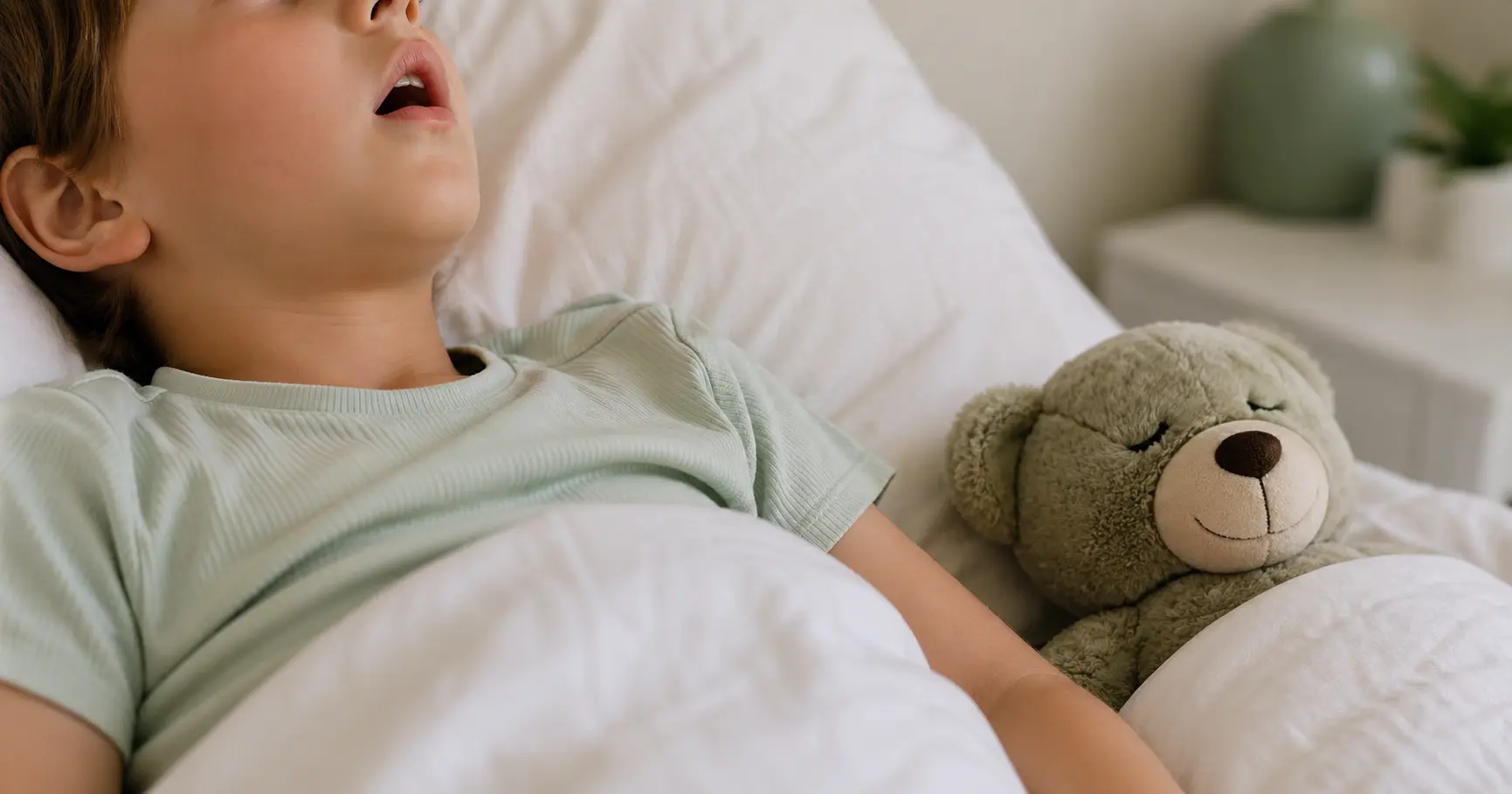
Child mouth breathing: when to see a speech therapist and orthodontist?
Mouth breathing in a child calls for calm observation and often team-based assessment. A speech therapist checks orofacial function, while MFS may be considered only after qualification.
Author: mgr Edyta Bykowska

Speech therapist and orthodontist: how to support breathing, swallowing, and speech in a child with braces
A malocclusion is rarely an isolated issue. Collaboration between a speech therapist and orthodontist may support breathing, swallowing, tongue posture, and clearer speech at the same time.
Author: mgr Edyta Bykowska

MFS stimulators in myofunctional therapy and orthodontic collaboration
MFS stimulators may support myofunctional therapy when paired with exercise and interdisciplinary planning. Assessment and follow-up determine if and when the device is useful.
Author: mgr Edyta Bykowska