Pediatric Speech Therapy
Supporting speech and communication development in children.

Selective eating and feeding difficulties in children
Refusing new food does not always mean a feeding disorder. Learn when a narrow diet and difficult meals are worth discussing with a specialist.
Author: mgr Edyta Bykowska

Hoarseness and voice disorders in children and adults
Hoarseness can be temporary, but a persistent or recurring voice change needs a cause to be established. We explain what to check in children and adults and when voice therapy may help.
Author: mgr Edyta Bykowska

Special education needs statement - how to obtain one
A special education needs statement helps plan support for a child at preschool or school. We explain who issues it, what to prepare, the deadlines, and how to appeal a refusal.
Author: mgr Edyta Bykowska
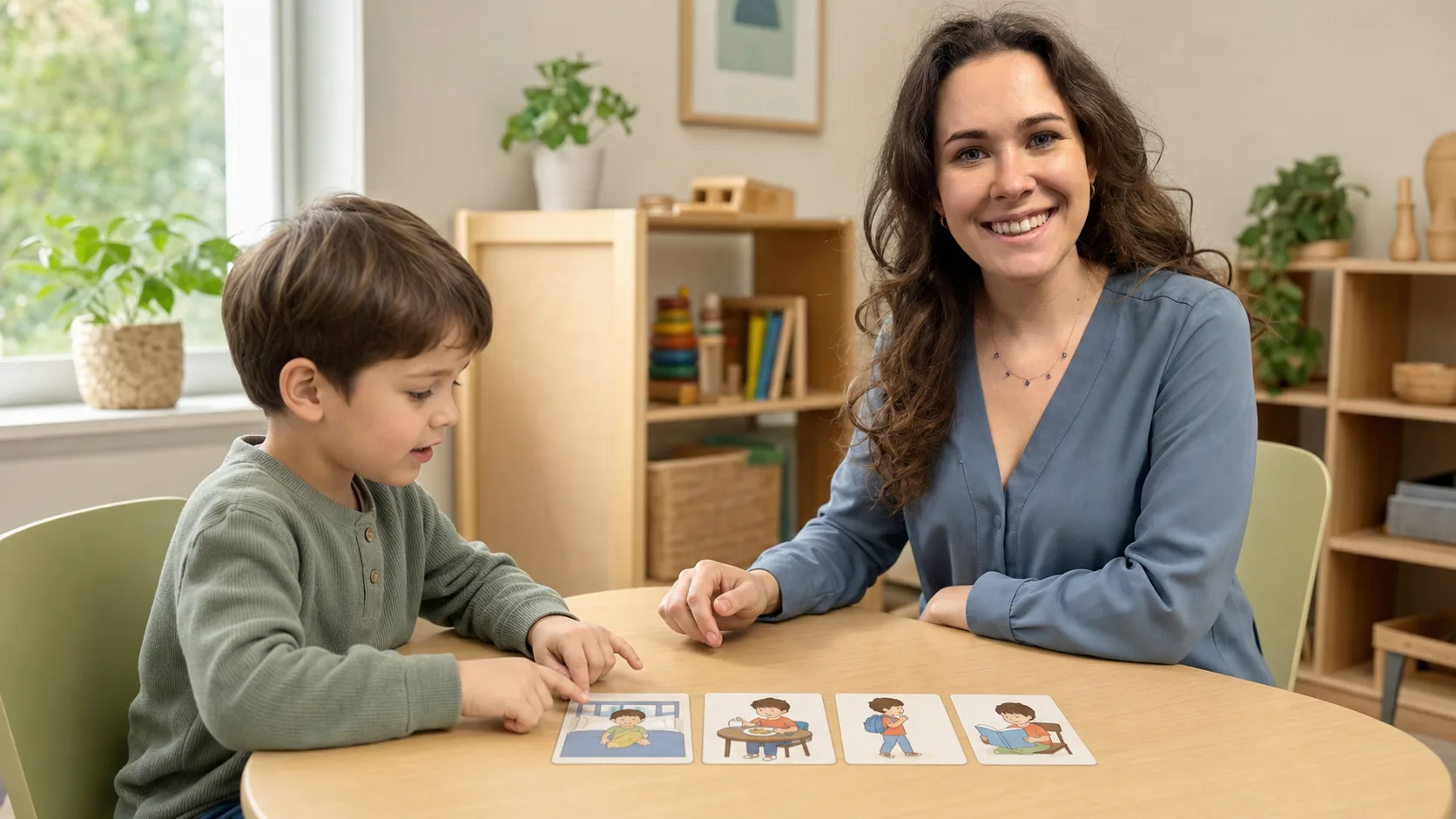
Delayed Speech or DLD? Telling a Delay Apart from a Language Disorder
Some children who start speaking late catch up with their peers, and some do not. We explain how delayed speech development differs from developmental language disorder (DLD), where the term came from, and what actually changes in planning support when the difficulty turns out to be lasting.
Author: mgr Edyta Bykowska

Childhood apraxia of speech: recognition, diagnosis and therapy
The child knows what they want to say, but speech does not settle into stable sequences. We explain what childhood apraxia of speech (CAS) is, why waiting alone is not enough, and how assessment and therapy work.
Author: mgr Edyta Bykowska

WWR - How to Obtain a Counselling Centre Opinion and Support for Your Child
Early developmental support requires an opinion from a public psychological-pedagogical counselling centre. We explain who issues it, how it differs from a special education needs statement, and where in Gdańsk to arrange the granted sessions.
Author: mgr Edyta Bykowska

Bilingual child: when does language development need a speech therapy consultation?
Bilingualism does not cause speech or language disorders, but it can make development harder to assess. Learn what is typical, which signs merit consultation, and what a fair assessment should include.
Author: mgr Edyta Bykowska
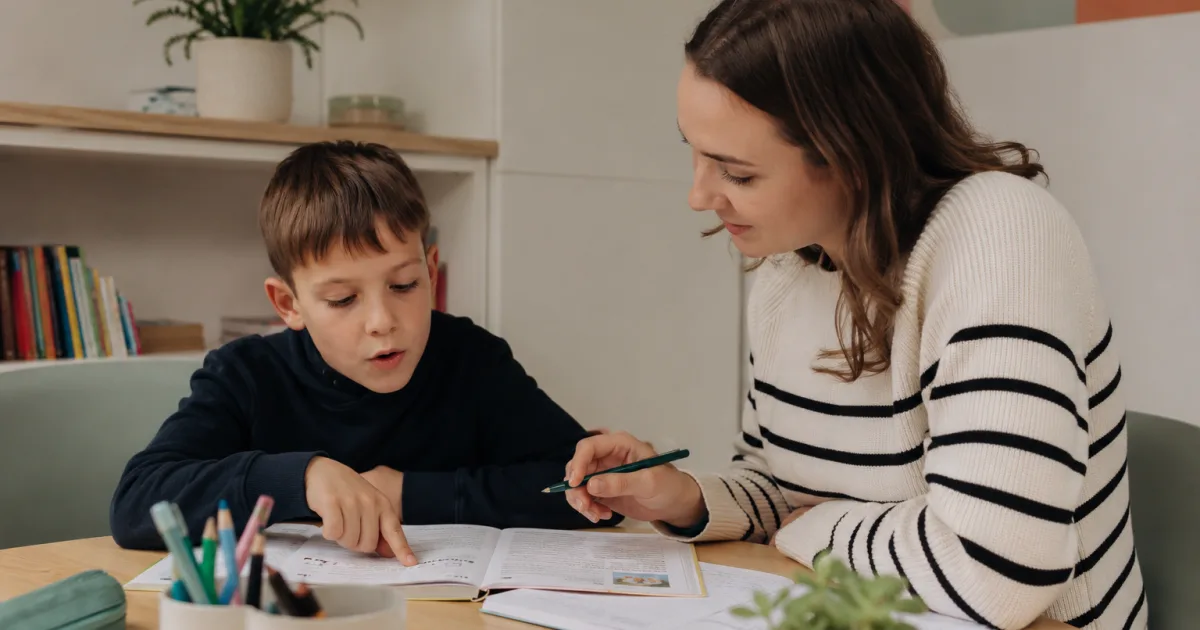
Speech Therapist, Neurologopedist, and Pedagogue in Primary School: How to Combine Speech Therapy and Learning Support?
Difficulties with speech, reading, and writing can be related. We explain what each specialist does and how to build a coherent support plan for a pupil at school, in the clinic, and at home.
Author: mgr Edyta Bykowska
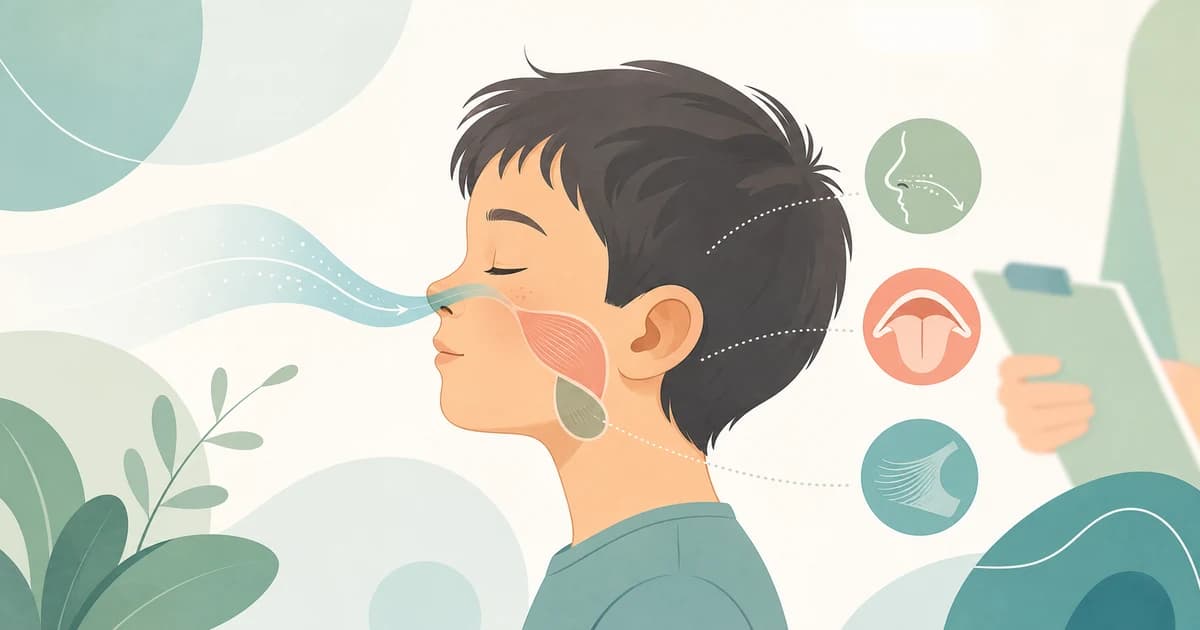
Myofunctional therapy for a mouth-breathing child: visits and home practice
Myofunctional therapy for a mouth-breathing child starts with understanding the cause. Therapy then works on tongue posture, lip seal, swallowing, and everyday routines.
Author: mgr Edyta Bykowska