MFS Stimulators
Tools supporting myofunctional therapy.
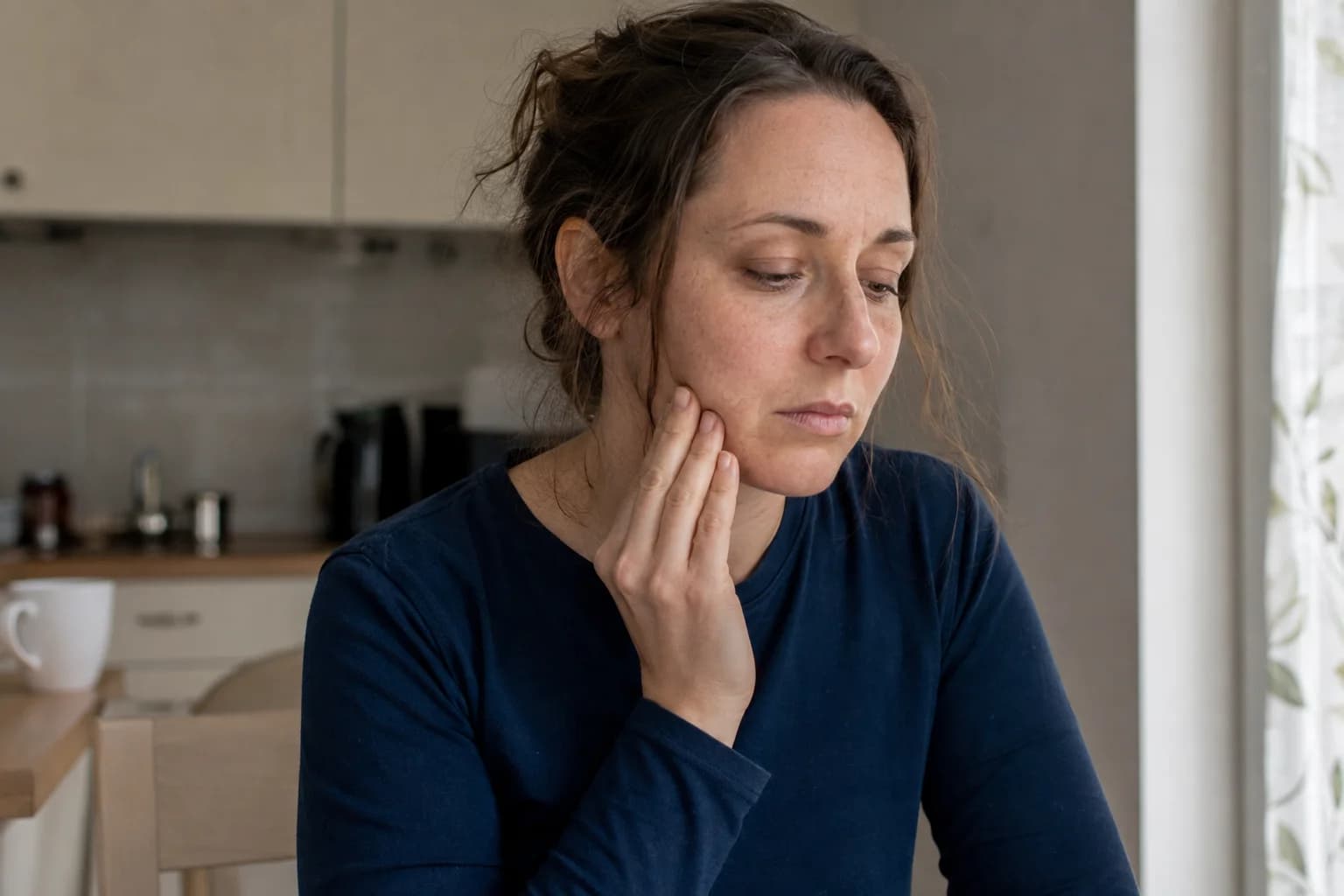
Bruxism and clenching: the role of myofunctional therapy
Daytime clenching and sleep grinding need different approaches. We explain the roles of dentists, orthodontists and therapists, and the limits of evidence for myofunctional therapy.
Author: mgr Edyta Bykowska

Mouth breathing and bite: how GOPEX and MFS support orthodontic treatment
Chronic mouth breathing can affect a child’s bite, facial growth, and speech. See how GOPEX and MFS stimulators, with an orthodontist, support treatment results.
Author: mgr Edyta Bykowska
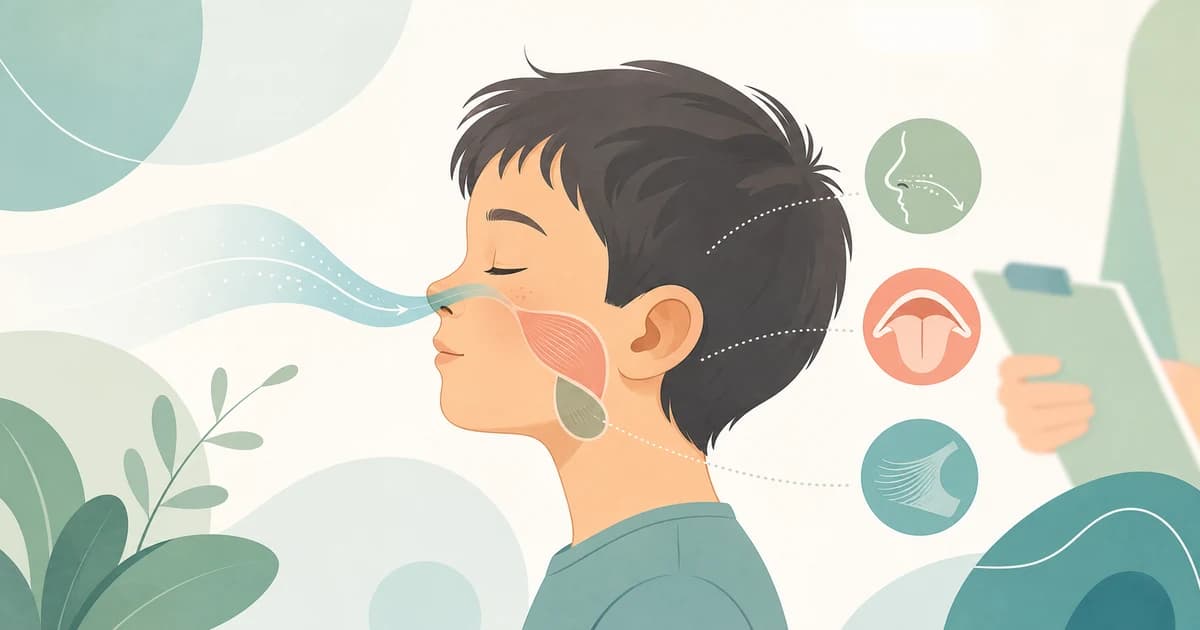
Myofunctional therapy for a mouth-breathing child: visits and home practice
Myofunctional therapy for a mouth-breathing child starts with understanding the cause. Therapy then works on tongue posture, lip seal, swallowing, and everyday routines.
Author: mgr Edyta Bykowska

Dysphagia after stroke: symptoms, therapy and neurologopedic support
Dysphagia after stroke can make eating, drinking, taking medication and daily functioning harder. We explain which symptoms to watch for, when to react urgently, and how a neurologopedist helps plan safe support.
Author: mgr Edyta Bykowska

Child mouth breathing: when to see a speech therapist and orthodontist?
Mouth breathing in a child calls for calm observation and often team-based assessment. A speech therapist checks orofacial function, while MFS may be considered only after qualification.
Author: mgr Edyta Bykowska

Speech therapist and orthodontist: how to support breathing, swallowing, and speech in a child with braces
A malocclusion is rarely an isolated issue. Collaboration between a speech therapist and orthodontist may support breathing, swallowing, tongue posture, and clearer speech at the same time.
Author: mgr Edyta Bykowska
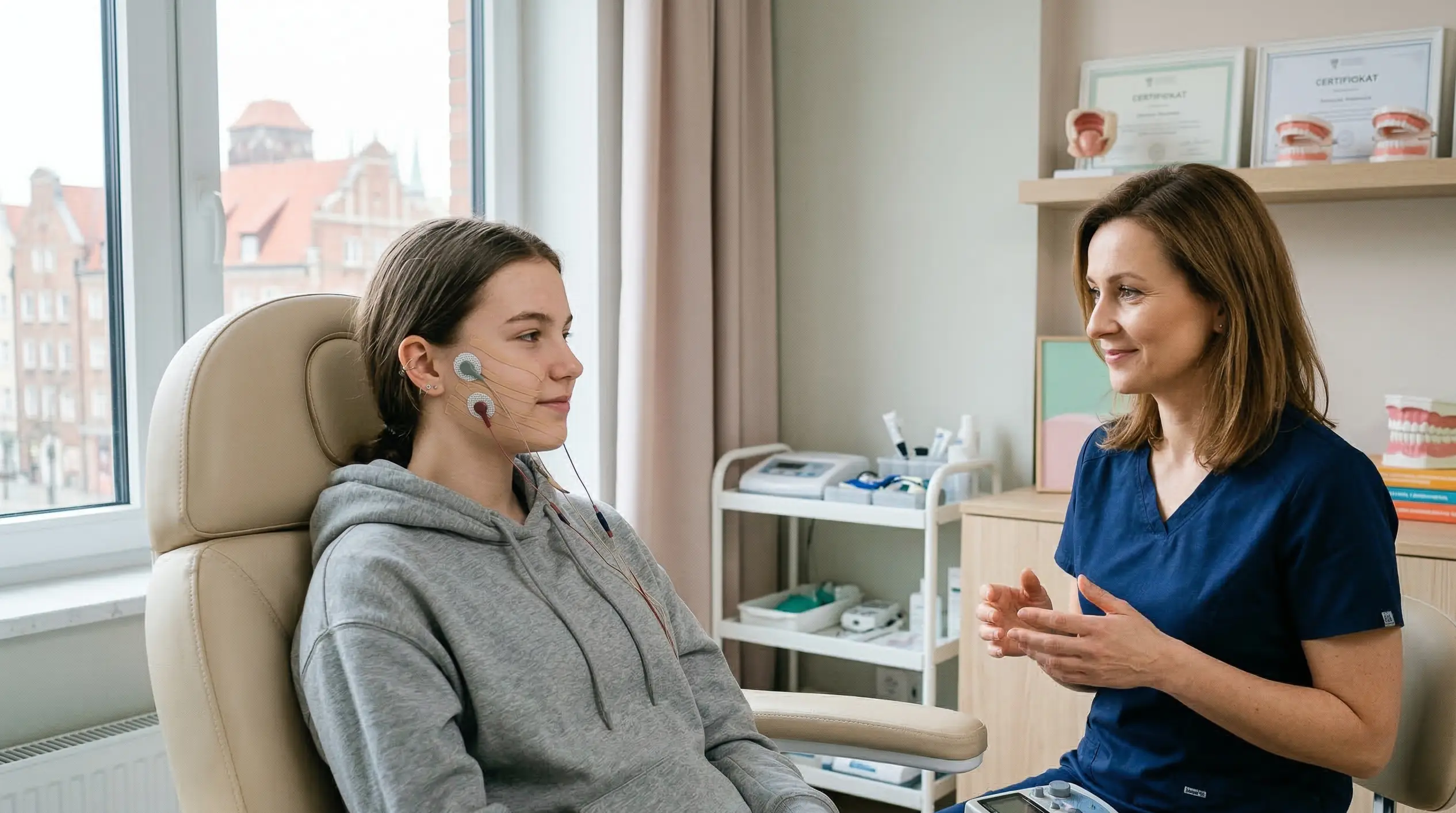
Electrostimulation and taping in speech therapy: when they help
Electrostimulation and taping can support oral-motor work when integrated with active therapy. Qualification, safety, and realistic goals are key.
Author: mgr Edyta Bykowska

MFS stimulators in myofunctional therapy and orthodontic collaboration
MFS stimulators may support myofunctional therapy when paired with exercise and interdisciplinary planning. Assessment and follow-up determine if and when the device is useful.
Author: mgr Edyta Bykowska