Neurologopedia
Articles on speech and function disorders of neurological origin.

Aphasia after stroke: symptoms, types, and speech therapy
Aphasia is an acquired language disorder that can follow a stroke. It may affect speaking, understanding, reading, or writing. We explain common signs, main types, and how therapy is planned.
Author: mgr Edyta Bykowska

Selective Mutism in Children - When Is Silence Not Just Shyness?
Selective mutism is an anxiety disorder: the child speaks freely at home, but stays silent at kindergarten or school not by choice, but because of strong anxiety. See how to recognise the first signals, who makes the diagnosis, and what small-steps therapy looks like.
Author: mgr Edyta Bykowska

Adult snoring: when is it worth seeing a specialist?
Adult snoring does not always mean disease, but it deserves attention when pauses in breathing, daytime sleepiness, or waking with breathlessness appear. We explain when medical assessment is needed and where myofunctional therapy may fit.
Author: mgr Edyta Bykowska

Dysphagia after stroke: symptoms, therapy and neurologopedic support
Dysphagia after stroke can make eating, drinking, taking medication and daily functioning harder. We explain which symptoms to watch for, when to react urgently, and how a neurologopedist helps plan safe support.
Author: mgr Edyta Bykowska
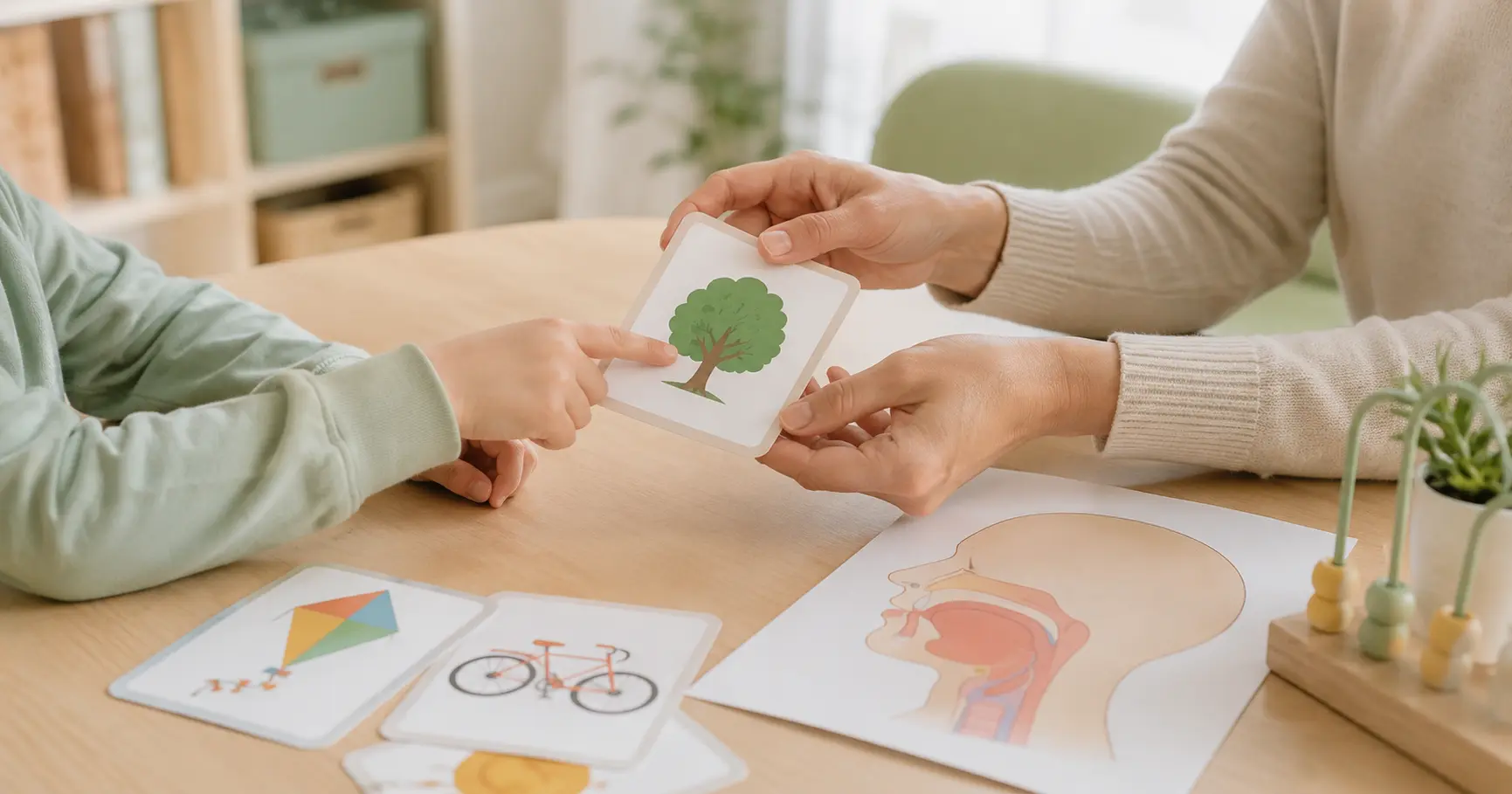
Childhood stuttering: when should you see a speech therapist?
Your child repeats sounds, gets stuck, or avoids speaking, and you are not sure whether to wait or seek help. This guide explains when childhood disfluency needs speech therapy consultation.
Author: mgr Edyta Bykowska
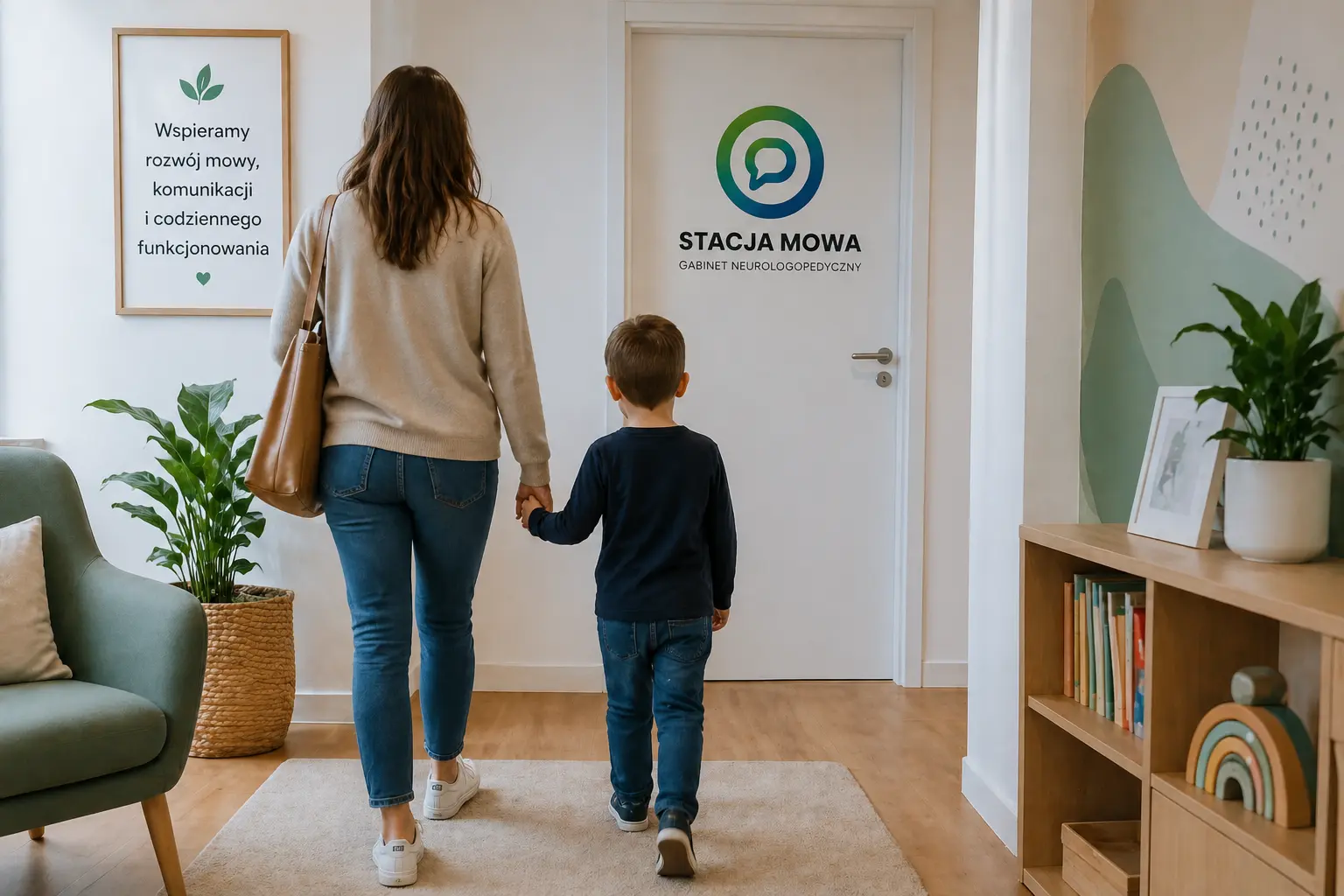
Autism and the first speech therapy visit: how to prepare your child step by step
The first speech therapy visit can be a significant challenge for a child on the autism spectrum and their parent. This article guides you step by step: what to bring, how to familiarise your child with the clinic, and what to expect at StacjaMowa in Gdańsk.
Author: mgr Edyta Bykowska
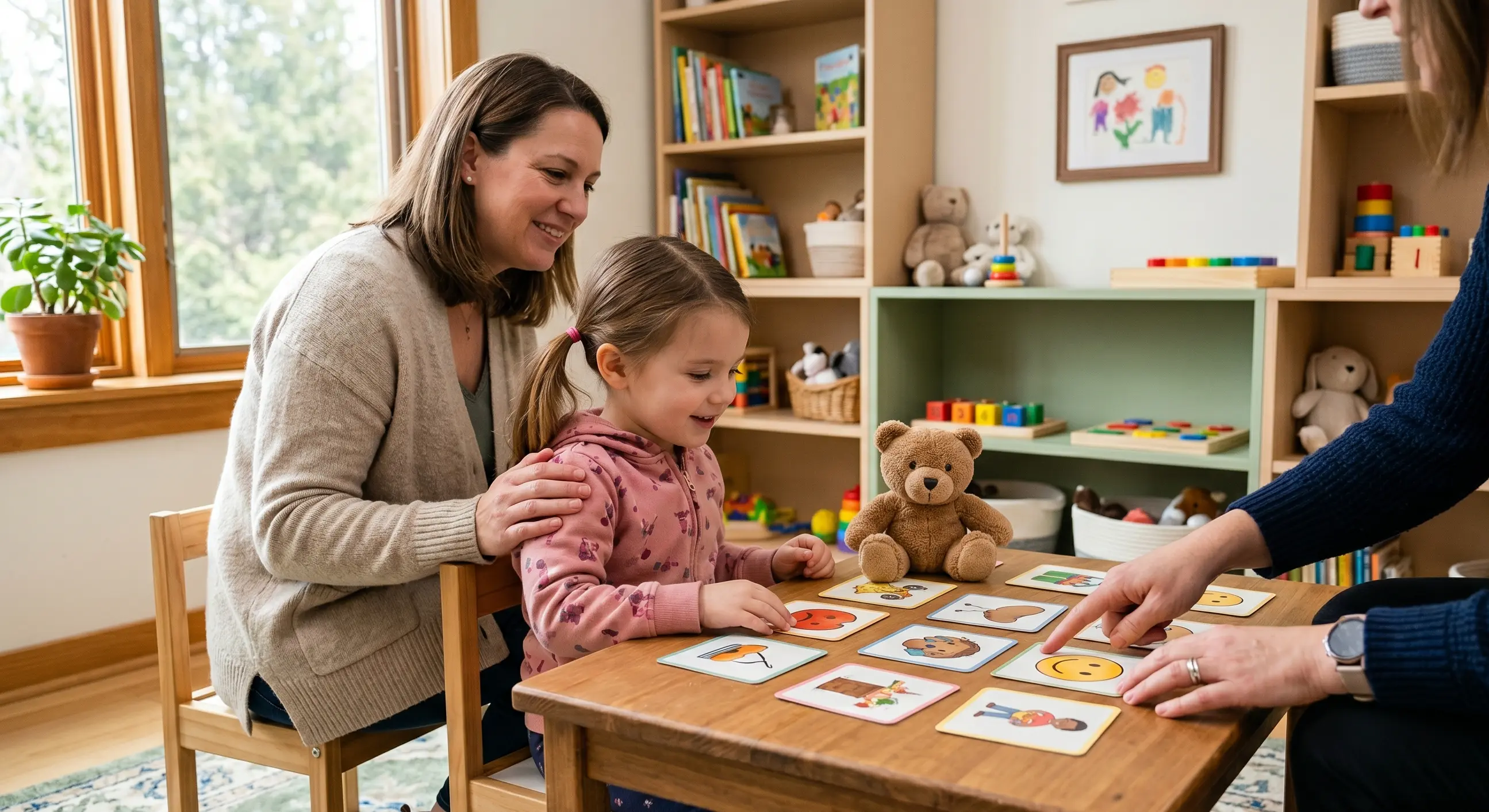
How to prepare your child for a speech therapy assessment: a parent guide
A first speech therapy visit can feel emotional for children and parents. Learn how to prepare, what to bring, and what a speech therapy assessment at StacjaMowa looks like-calmly and clearly.
Author: mgr Edyta Bykowska

AAC for a child who speaks a little: when does augmentative communication really help?
Your child says a few words, but they are hard to understand? This is a good moment to consider AAC as support for everyday communication. Research shows that well-chosen AAC does not stop speech and can support language development.
Author: mgr Edyta Bykowska

Delayed speech development and sensory processing: when sensory difficulties affect communication
In some children, delayed speech appears together with sensory-processing difficulties. We explain how this can affect communication and when a broader assessment may be helpful.
Author: mgr Edyta Bykowska