MFS equipment in myofunctional therapy
Individually fitted devices supporting work on orofacial functions

How MFS devices support therapy
MFS (Multifunction System) devices are gentle function regulators, not the goal of therapy, but one tool within a wider plan. After a calm functional assessment, the therapist includes them only when they can genuinely support nasal breathing, lip closure, swallowing, or masticatory muscle tension. Always at a pace and scope that fits you or your child.
Nasal breathing
Support for shifting toward nasal airflow when mouth breathing makes calm breathing and function harder.
Proper swallowing
Help coordinating tongue and lips during swallowing, always as part of a broader therapy plan.
Chewing functions
Work on comfort and tension in the chewing muscles when a functional assessment points to that need.
Options to discuss before your consultation
Select the concerns you have noticed. Final device selection requires professional assessment.
MFS devices used at our clinic
A physician or a therapist trained in function regulators selects the device and size after a functional assessment
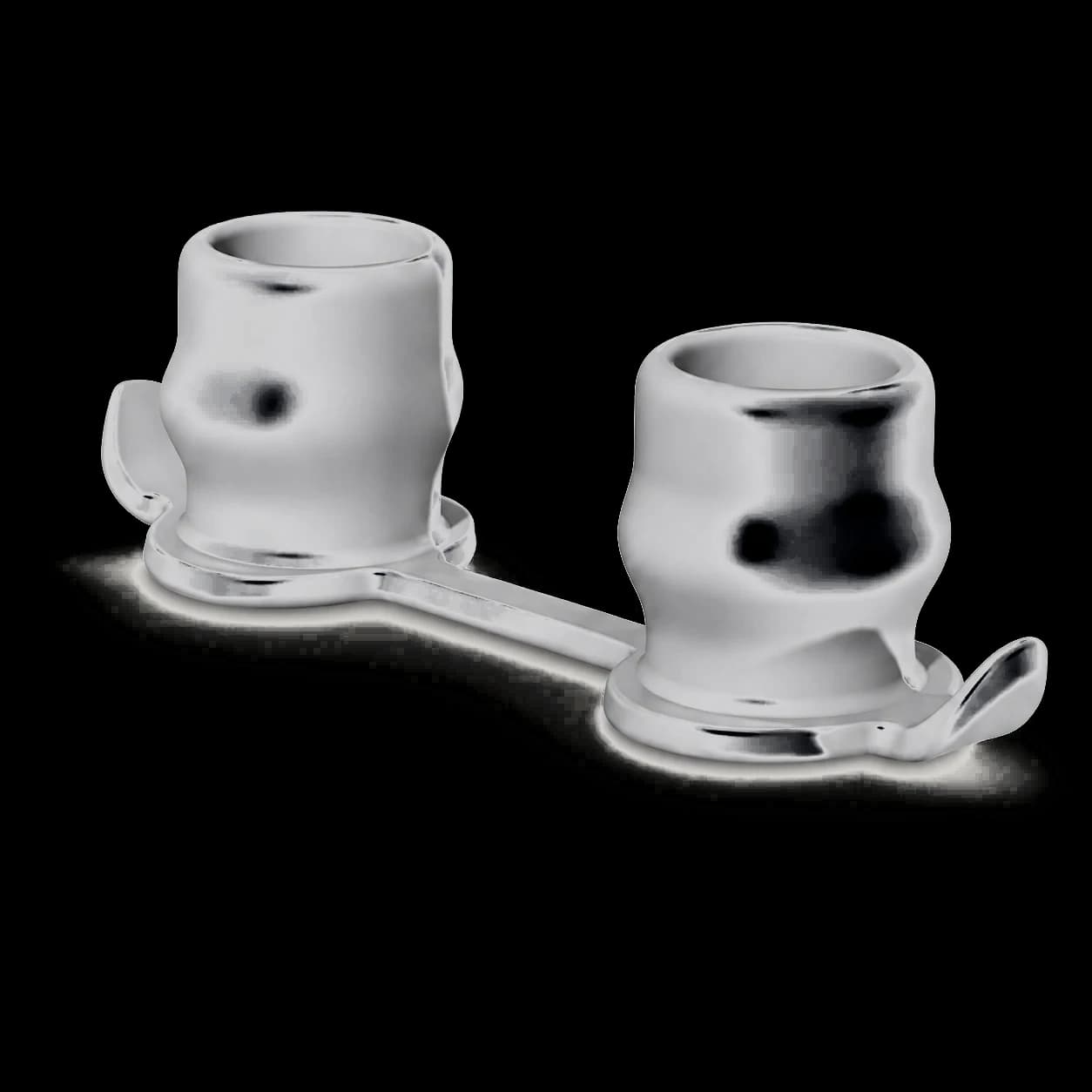
MFS nose stimulator
Silicone tubes joined by a stabilising band. The flat side rests on the septum; the convex part acts around the nasal alae.
- Mouth breathing at rest or at night
- Nasal alae collapsing on inhalation
- Size fitted after nostril measurement in clinic
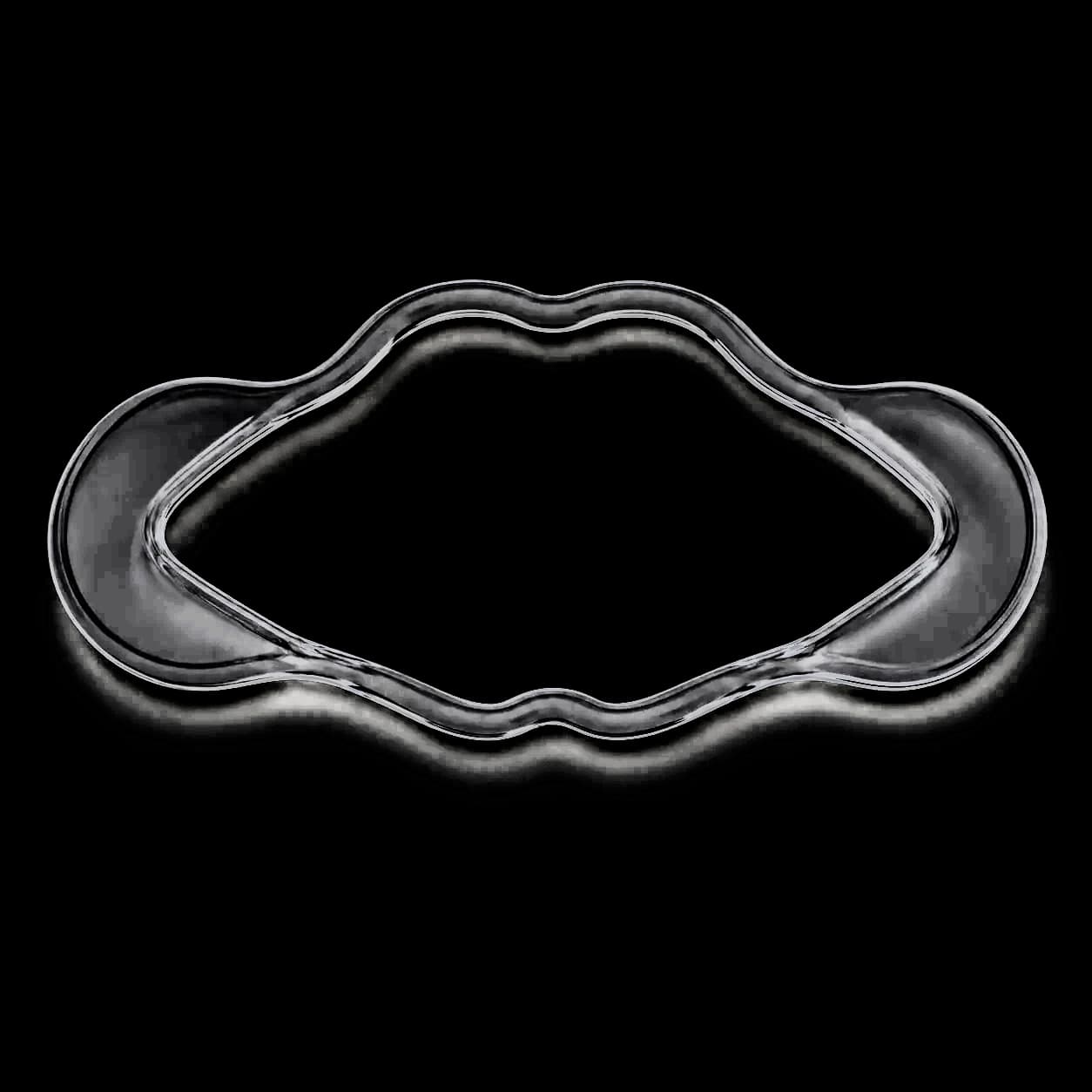
MFS lip stimulator
An oval device with upper and lower front bands, worn in the oral vestibule in front of the dental arches.
- Lips parted at rest
- Atypical swallowing and tongue posture
- Six sizes, fitted in clinic
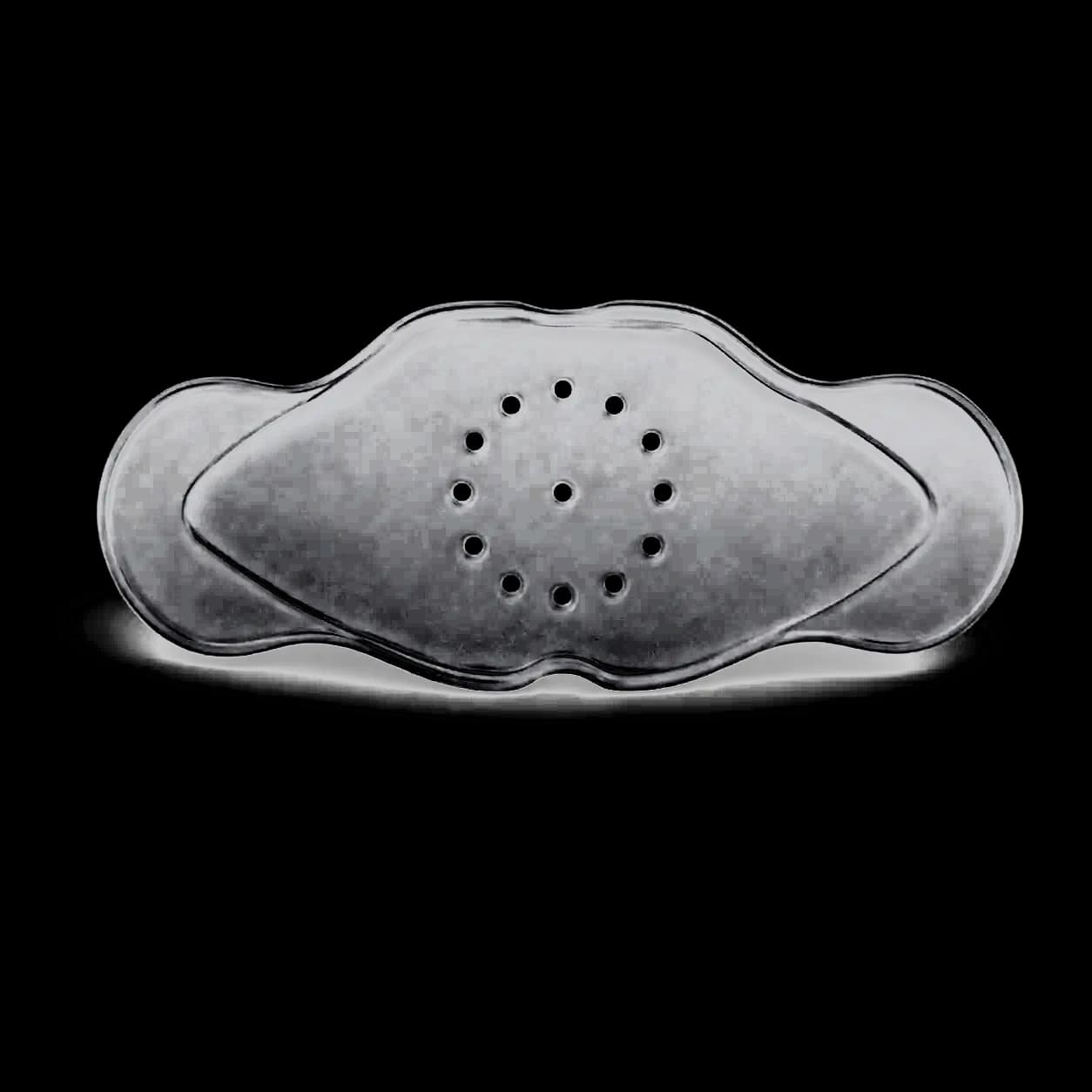
MFS oral obturator
A shield in the oral vestibule. Three types differ only by breathing-hole size and share the same shape.
- Three permeability types in progression
- Gradual reduction of mouth breathing
- Lip muscle work on the rim
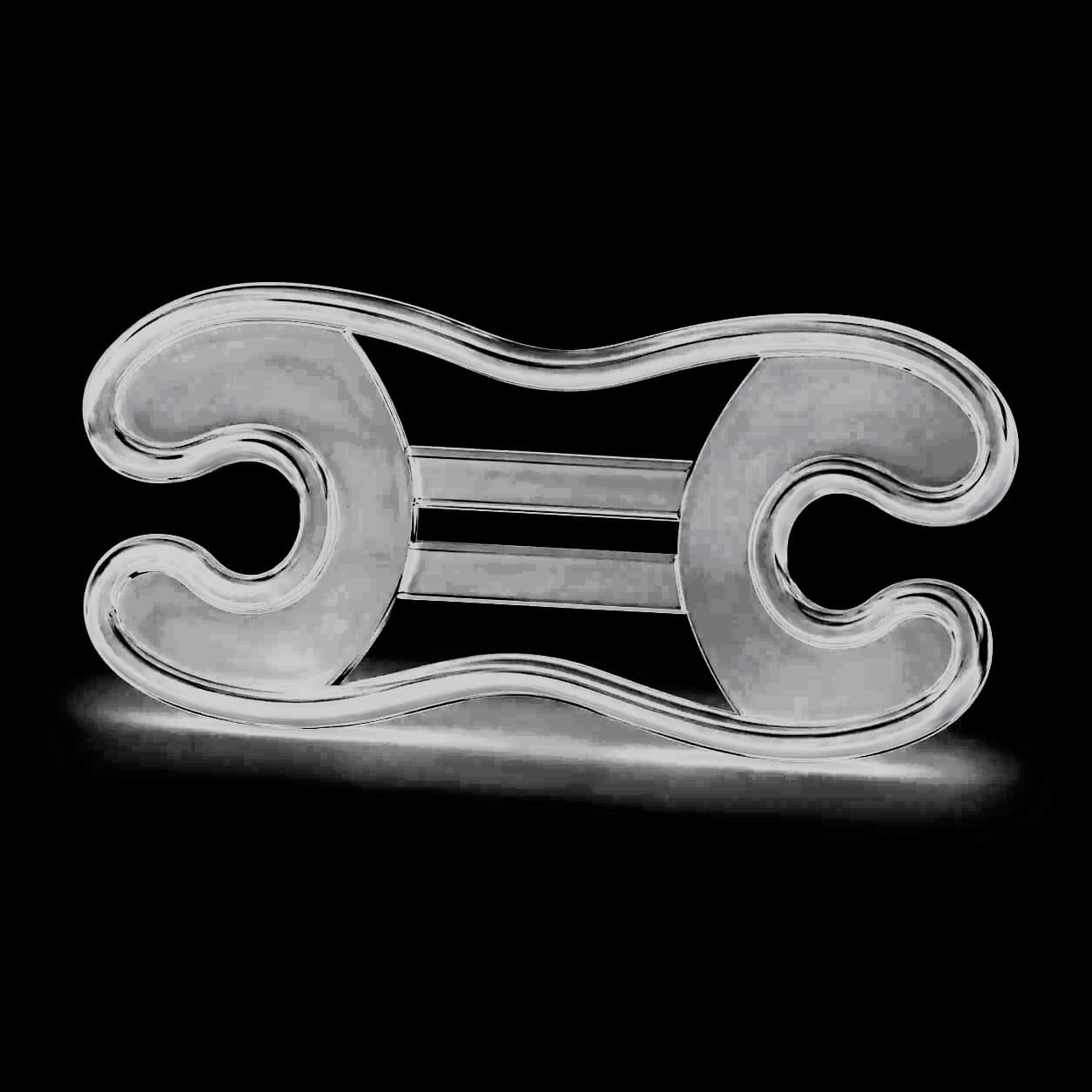
MFS muscle relaxant
A device with lateral discs worn in the oral vestibule outside the dental arches.
- Increased masticatory muscle tension
- Cheek and perioral muscle tension
- Alone or with a bite plate
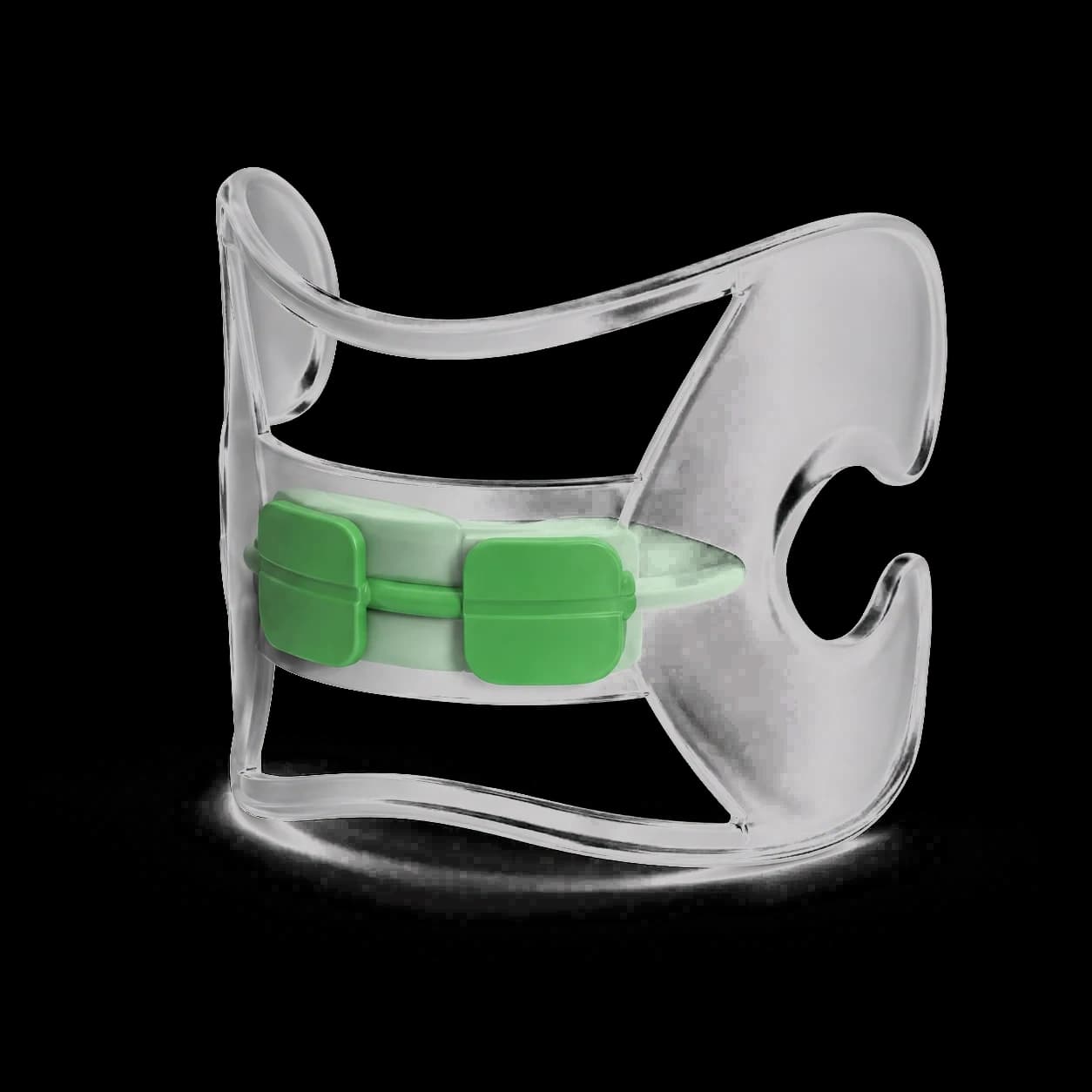
MFS anti-bruxism device
A muscle relaxant joined to a bite plate between the incisors. One set, not two separate products.
- Bruxism after functional assessment
- Deep bite within a therapy plan
- Size fitted in clinic
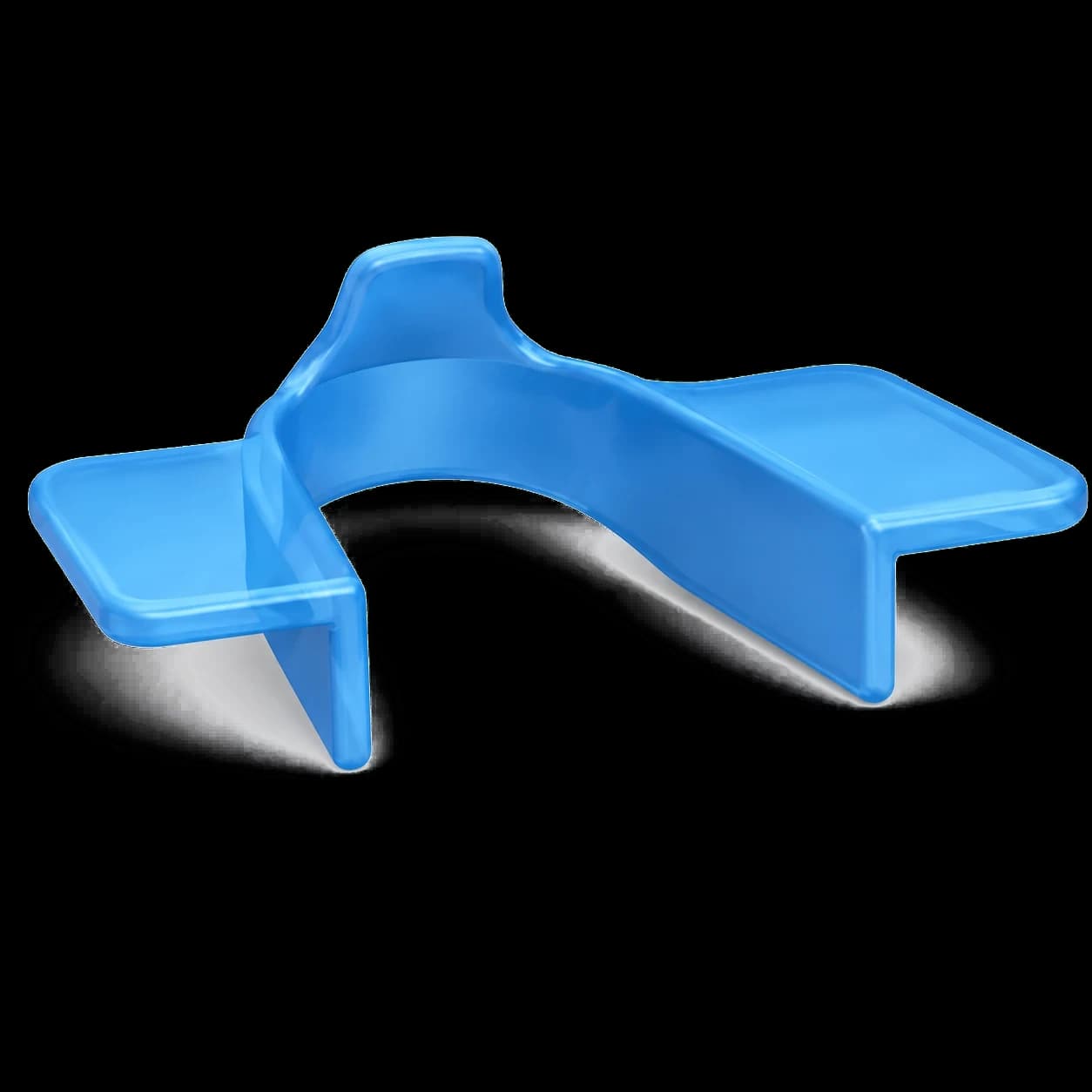
MFS open-bite device
Lateral bite planes and an anterior shield. Used in myofunctional therapy alongside an orthodontist's plan.
- Anterior open bite within an orthodontic plan
- Work on tongue posture
- Does not replace orthodontic treatment
What does the MFS therapy process look like?
From functional assessment to an individual plan and follow-up
Consultation and assessment
Assessment of orofacial functions and agreement on therapy goals
Assessment: 60 minDevice fitting
Selection of the device and size based on the functional assessment
During the visitIndividual therapy
Clinic and home work follows the individual therapy plan
Individual planFollow-up
Review of comfort, progress and any needed changes
As neededHow may MFS devices support therapy?
Individual device fitting
A physician or a therapist trained in function regulators assesses orofacial functions and selects the device type and size for the therapy goal.
Contact the clinic to arrange a functional assessment and discuss whether an MFS device may form part of therapy.
An MFS device does not replace medical diagnosis or orthodontic treatment.
Frequently asked questions about MFS equipment
Assessment, fitting, and use of MFS devices
Ready to Take the First Step?
Start your journey to better health today