Bruxism is jaw-muscle activity that can involve clenching or grinding teeth during sleep or while awake. Myofunctional therapy may form part of individual care, but evidence is insufficient to say that it stops night-time grinding on its own. If you notice tooth damage or pain, start with a dental assessment.
Awake and sleep bruxism
Not all jaw tension is a disease requiring treatment. Its consequences matter: discomfort, the condition of your teeth and difficulties in daily life. The international consensus describes bruxism as a motor behaviour. It can also involve bracing the jaw muscles without tooth contact.
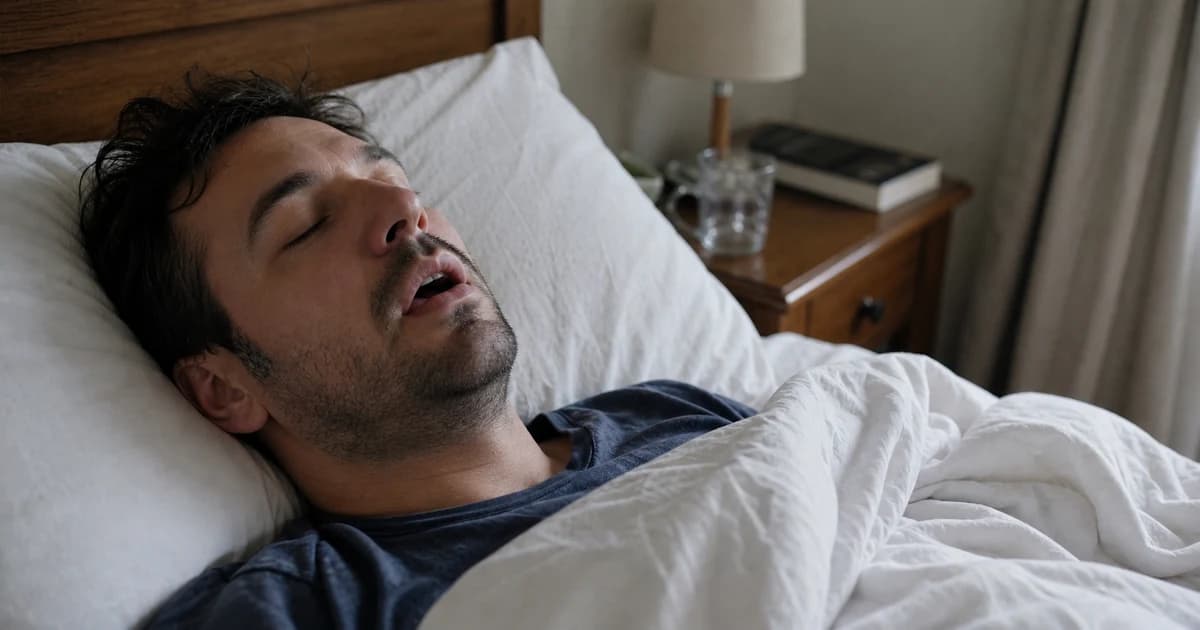
During the day, you may notice clenching while working, driving or concentrating. Reminders to relax your jaw can be used during the day. During sleep, you do not control your muscles in the same way. Sleep bruxism involves central nervous system mechanisms and the regulation of muscle activity during sleep, including around brief arousals.
There is no single habit that explains every case. Stress, genetic factors, alcohol, caffeine, smoking and some medicines can play a role. This list does not establish the cause in an individual. A bite problem, a low resting tongue position or mouth breathing should not be treated as a universal explanation for bruxism either.
When should you start with a dentist?
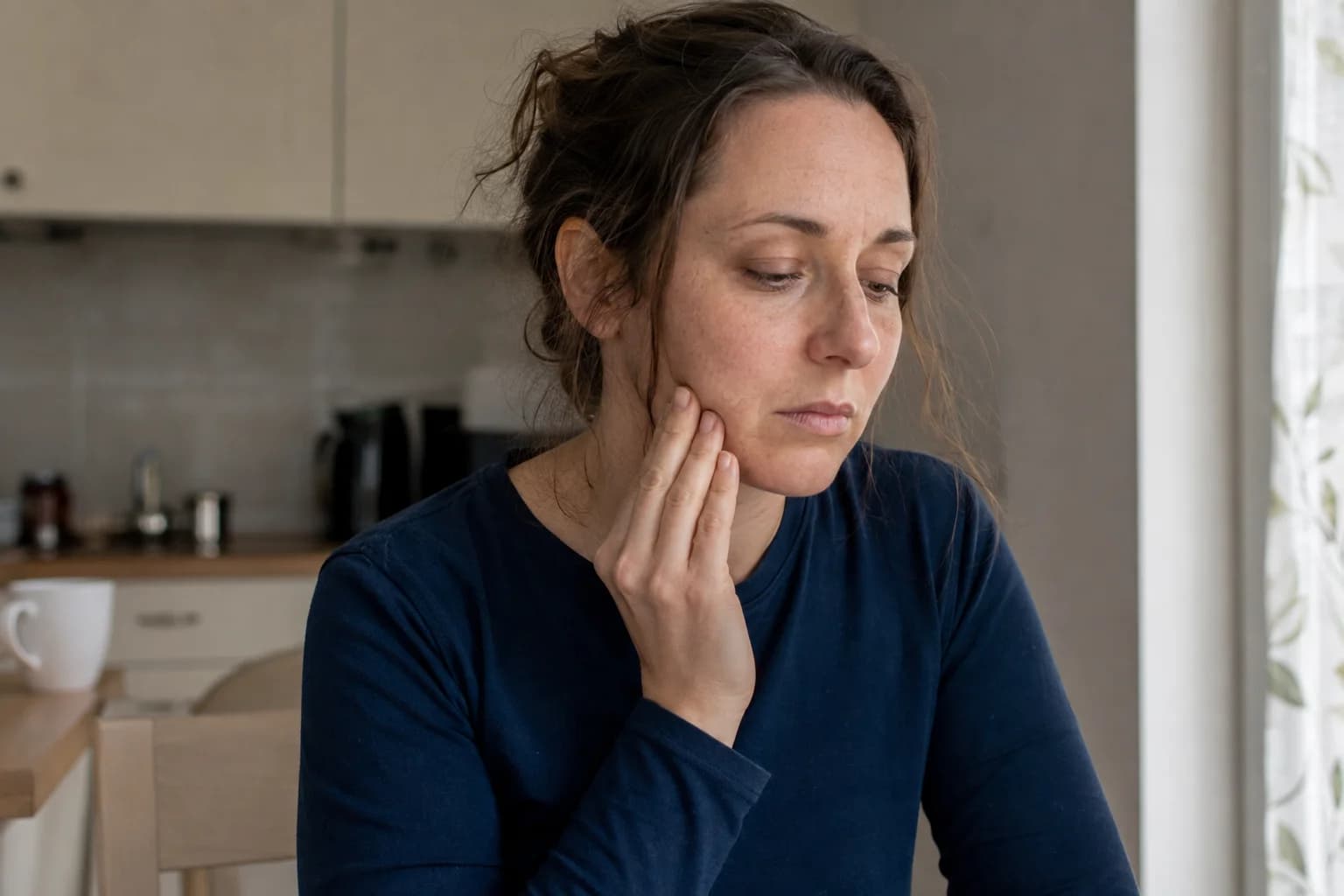
Arrange a dental assessment if your teeth are worn, chipped, cracked or becoming sensitive. Painful or tired jaw muscles and headaches also warrant consultation. These signs do not confirm bruxism by themselves. Tooth wear can have other causes and does not, on its own, show whether you currently grind your teeth during sleep.
A dentist examines your teeth, restorations and symptoms and takes your history. They then decide whether you need tooth protection, further assessment or another specialist. Choosing a splint or a jaw exercise programme should follow this assessment. An online symptom description is not enough to select either.
When is urgent assessment needed?
Splints, orthodontists and therapists: different roles
A splint recommended by a dentist can protect your teeth from damage. It may also affect muscle activity in some people, but protection alone does not prove that sleep bruxism has stopped. Follow the instructions you were given. Myofunctional therapy does not replace a prescribed splint.
An orthodontist manages an identified orthodontic problem when dental assessment indicates a referral. Bruxism alone does not mean that everyone needs braces. Correcting a bite should not be presented as a reliable way to remove the cause of night-time grinding.
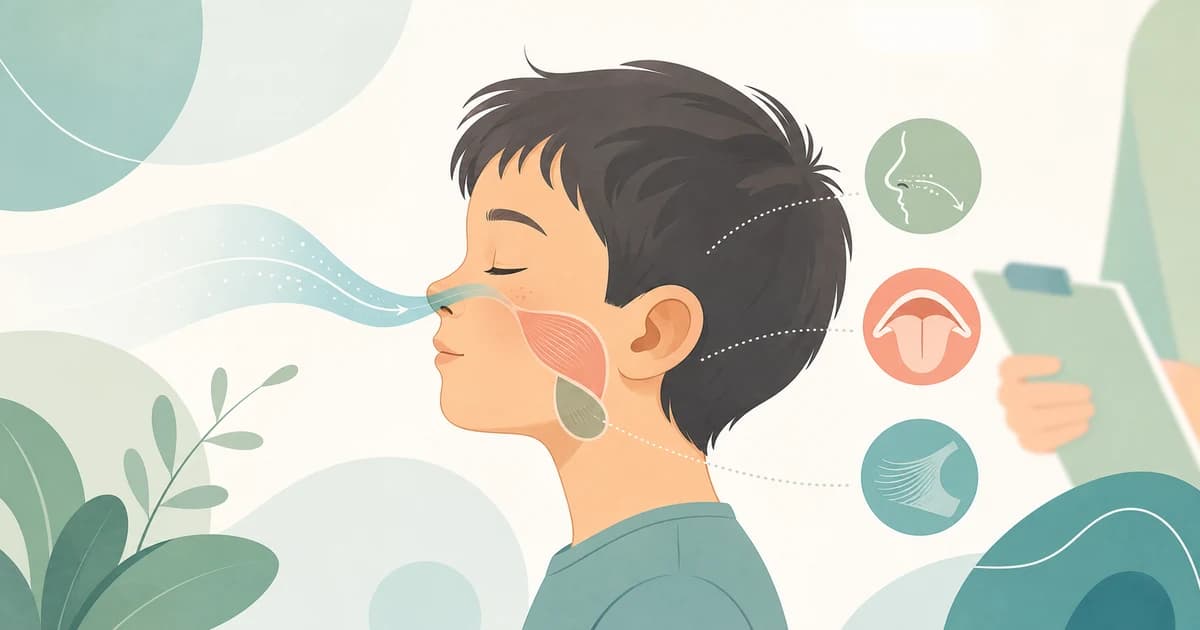
A myofunctional therapist assesses oral functions, including resting tongue position, breathing habits and muscle tension. These are areas for assessment, not proof of what causes bruxism. Read more in our article on myofunctional therapy and mouth breathing. The findings should complement your dentist's recommendations.
What can myofunctional therapy offer for bruxism?
For daytime clenching, care may include recognising when you tense your jaw and working on its resting position. NIDCR describes reminders to keep the teeth apart at rest. Agree on the aim and approach after an assessment, particularly if you have pain. Among the support tools used for chewing-muscle tension is the muscle relaxant - an addition to a plan agreed with a specialist, not a standalone fix.
Direct evidence for myofunctional therapy in bruxism is limited. A small study published in 2017 reported improvement after therapy, but it did not compare the results with people who had no therapy, and it did not choose at random who received it. It therefore cannot establish that another person will have the same result or that exercises will eliminate night-time grinding.
Less discomfort and less frequent daytime clenching are different goals from eliminating episodes of sleep bruxism. Agree on which problem will be reviewed at follow-up visits. Reminders to relax your jaw can be used while you are awake. Behavioural approaches are also being studied for sleep bruxism, but better research is needed to assess their effectiveness.
Grinding and breathing during sleep
Sleep bruxism and obstructive sleep apnoea can coexist, but research into their relationship is inconclusive. Grinding alone is not enough to diagnose apnoea. Nor does it prove that obstructed breathing causes bruxism in an individual.
See a doctor if someone notices pauses in your breathing, you wake gasping or choking, snore loudly or feel very sleepy during the day. A sleep assessment may be needed. Tongue assessment and exercises do not replace it. Our article on adult snoring and when to seek advice explains this further.
What should you do if a child grinds their teeth?
Children can also have bruxism, and not every episode needs treatment. If grinding concerns you, your child reports pain or you notice tooth damage, speak to a dentist. Tell a doctor about snoring, breathing pauses or choking during sleep. Do not assume that the sound of grinding alone means an airway problem.
Studies of childhood bruxism treatment differ in their methods and do not provide strong evidence for the effectiveness of individual approaches. There is no basis for choosing an adult splint or a set of jaw exercises for a child online. Decisions should depend on an examination, the consequences of bruxism and accompanying symptoms.
How should you prepare for an appointment?
Note when tension occurs: after waking, at work or towards the end of the day. Record pain, sensitivity and any tooth damage you have noticed. If someone hears you grinding, ask them to describe what they observe, including your breathing. This helps with history-taking but does not replace a diagnosis.
Prepare a medication list and information about sleep, caffeine, alcohol and smoking. Do not stop prescribed medication yourself, even if you suspect a link with clenching. Discuss it with your doctor. Bring your dentist's recommendations and information about any splint you use. This helps clarify what already protects your teeth and what still needs assessment.
A myofunctional consultation in Gdańsk
If you want to discuss oral function and daytime clenching after a dental assessment, read about myofunctional therapy at StacjaMowa. During a consultation, agree on a specific goal, how changes will be assessed and whether further coordination with your dentist is needed.
When a coexisting bite problem requires orthodontic care, therapy recommendations should be discussed with your treating orthodontist. For information about consultations in Morena, see our Morena location page.
Information about tools is available on our MFS stimulators page and in the guide to MFS stimulators. A specialist decides on any use after an individual assessment. Clenching alone is not a basis for choosing a device yourself.
Where to start
- Discuss pain and tooth damage with a dentist.
- Tell a doctor about symptoms of disturbed breathing during sleep.
- Base therapy goals on assessment and your existing recommendations.
Sources and further reading
Sources checked on 7 September 2026. This article is educational and does not replace an individual dental or medical assessment.
- NIDCR: Bruxism
- NHS: Teeth grinding (bruxism)
- International consensus on bruxism (2025)
- Lavigne et al.: bruxism physiology (2008)
- Study of myofunctional therapy in bruxism (2017)
- Systematic review of adult sleep bruxism management (2022)
- Review of sleep bruxism and sleep apnoea (2022)
- NHS: Sleep apnoea
- NHS: Temporomandibular disorder (TMD)
- Systematic review of childhood sleep bruxism (2023)
Want to learn more about therapy options?
Learn more about this therapyFrequently asked questions
- Does bruxism always mean grinding your teeth?
- No. It can involve clenching or bracing the jaw muscles without tooth contact. It occurs during sleep or while awake, and its consequences help determine whether management is needed.
- Will myofunctional therapy stop night-time grinding?
- This cannot be promised. Direct evidence is limited and does not establish that therapy alone reliably stops sleep bruxism. Agree on goals after an assessment, taking your dentist's recommendations into account.
- Can I stop using my splint when I start therapy?
- Myofunctional therapy does not replace a splint prescribed to protect your teeth. Discuss any change in its use with the dentist managing your care.
- Who should I see first about clenching?
- Start with a dentist if you have pain, sensitivity or tooth damage. A locked jaw or inability to eat or drink requires prompt medical or dental assessment. Tell a doctor about symptoms of sleep apnoea.
- Does teeth grinding mean sleep apnoea?
- No, bruxism alone is not enough to diagnose apnoea. Breathing pauses, choking during sleep, loud snoring and marked daytime sleepiness need medical assessment. Exercises do not replace sleep assessment.
- Does a child who grinds their teeth need treatment?
- Not every episode requires treatment. If grinding concerns you, or there is pain or tooth damage, consult a dentist. Do not choose a splint or exercises yourself, and tell a doctor about symptoms of disturbed breathing.