MFS equipment
MFS open-bite device
Myofunctional support used alongside orthodontic treatment, not stand-alone treatment of a malocclusion
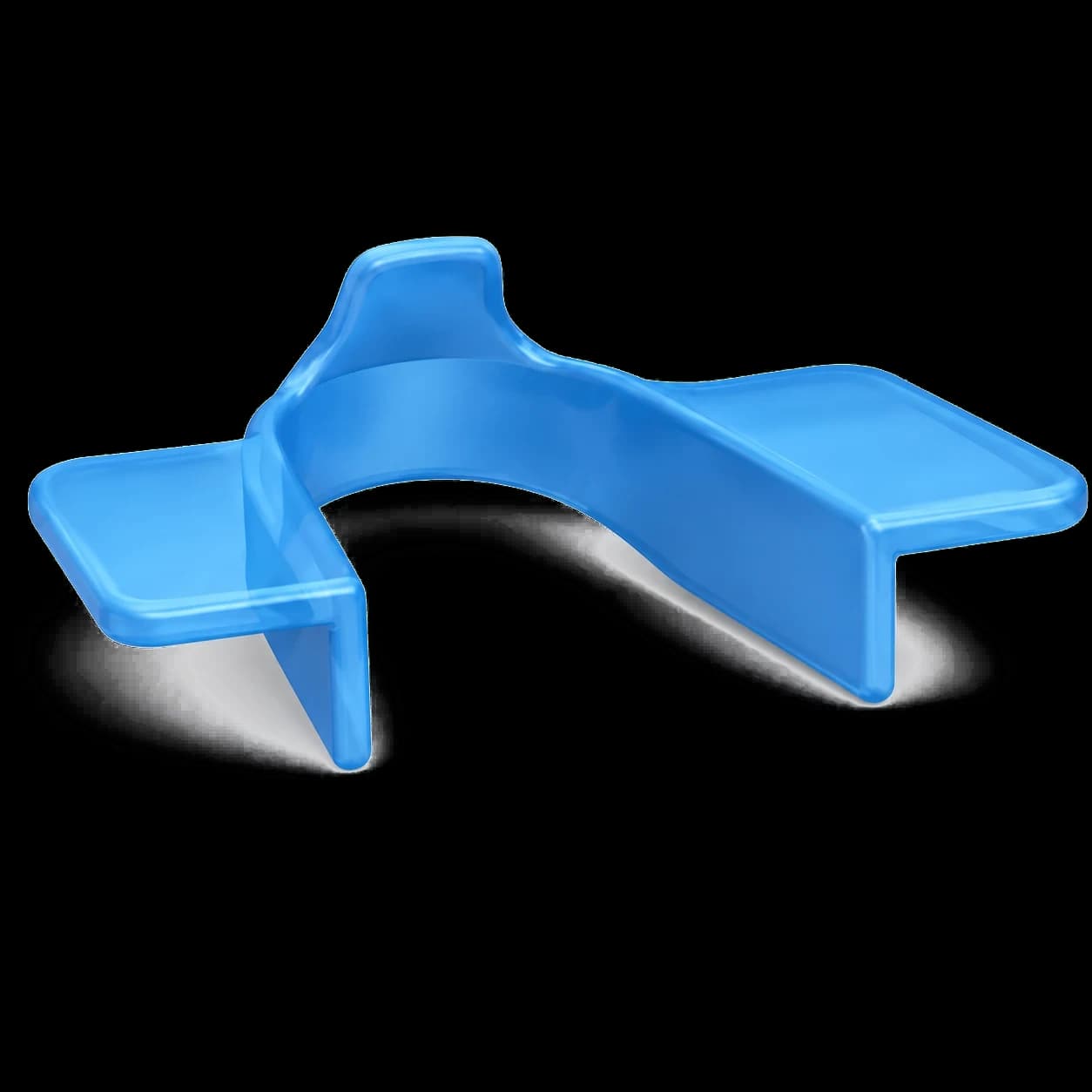
What is the open-bite device?
This device has lateral bite planes and an anterior shield that limits forward tongue movement. It sits behind the lower dental arch so the lateral planes cover the lower premolars and molars. At StacjaMowa we use it only as part of myofunctional therapy within a plan agreed with an orthodontist. It does not replace treatment of a malocclusion.
How it may support therapy
Biting on the lateral planes may support work on masticatory muscle activity. The anterior shield may support work on tongue posture when the tongue moves between the teeth. Any bite changes are assessed by the orthodontist within their treatment plan. A physician or a therapist trained in function regulators sets how it is used in myofunctional therapy.
Who it is for
- Anterior open bite with weak masticatory musculature and tongue interposition, after orthodontic and functional assessment
- A dolichocephalic facial growth pattern with a tendency toward a long-face pattern, when that fits the treatment plan
- Support within myofunctional therapy delivered alongside orthodontic treatment
- Not intended as stand-alone treatment of a malocclusion outside an orthodontist's plan
Sizes and fitting
Fitting uses measurements taken from a model of the patient's dental configuration. The smaller size is used when unsure. A physician or a therapist trained in function regulators selects the final fit in line with the orthodontic plan.
How the device is placed
Step order is in the text; numbers on the images are visual only
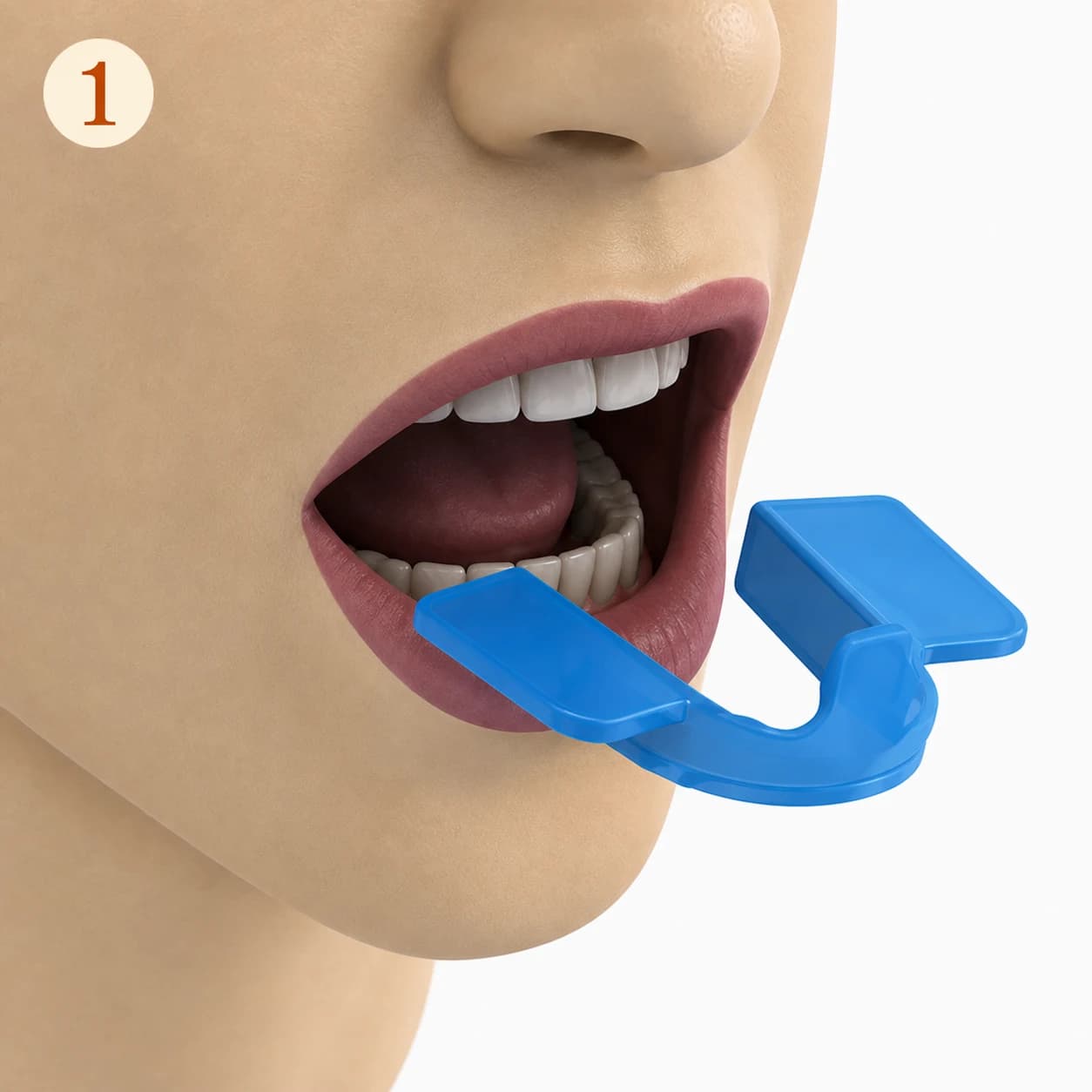
1
Prepare
Wash your hands. Check that the device is clean and undamaged. Sit comfortably in front of a mirror.
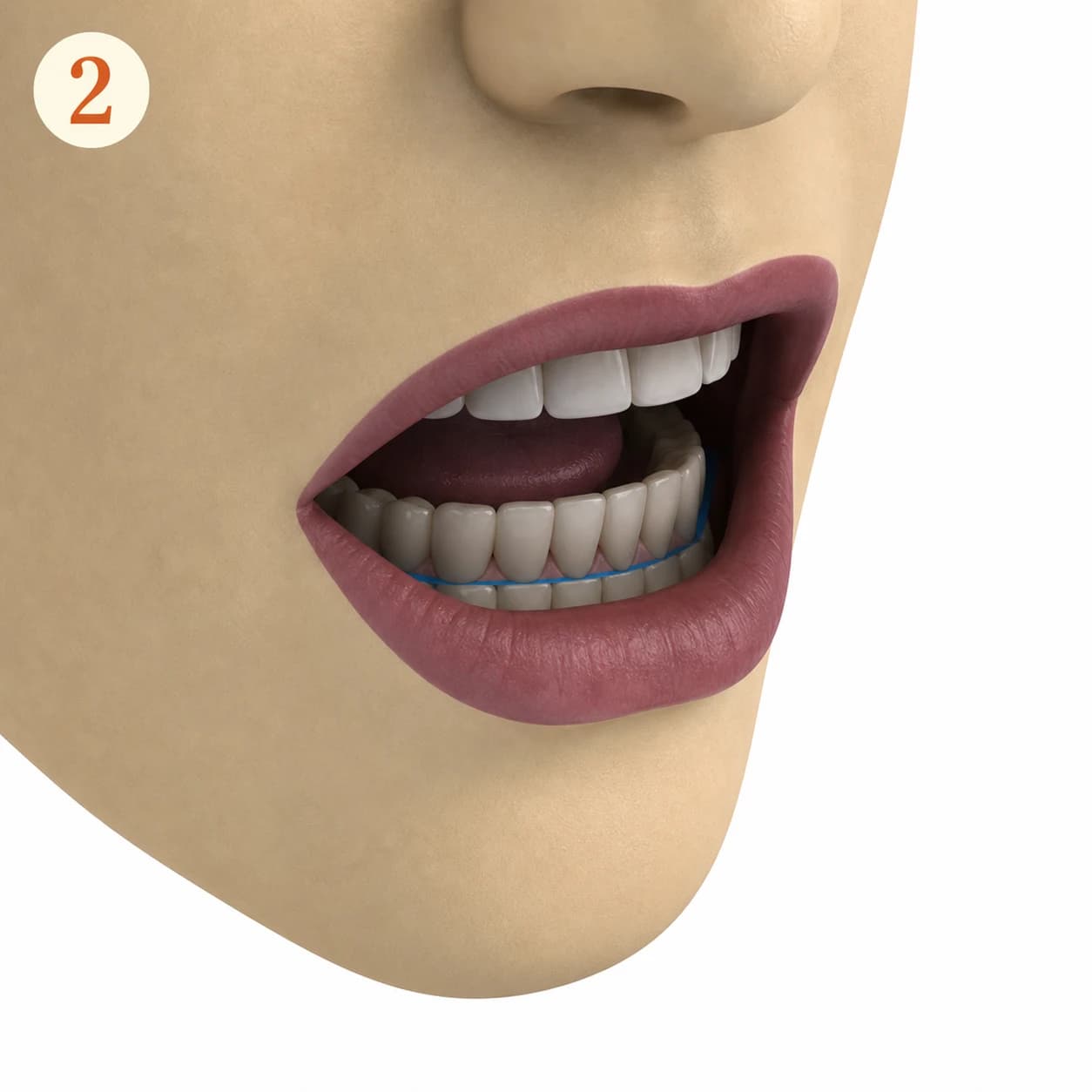
2
Place behind the lower arch
Gently seat the device behind the lower dental arch so the lateral planes cover the lower premolars and molars. Do not force the device. A correctly fitted size should not cause pain.
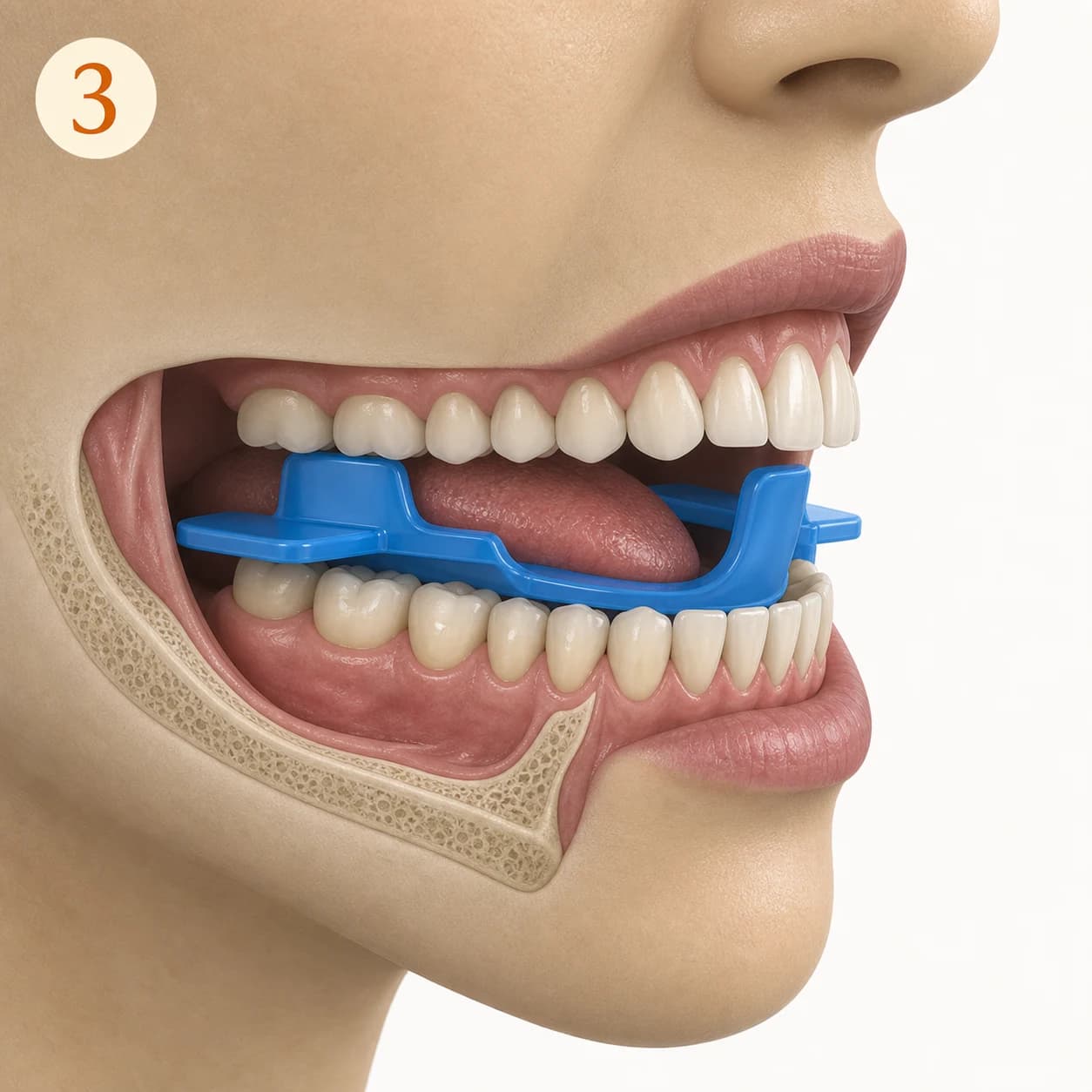
3
Check comfort
Bite on the lateral planes and check that the anterior shield sits stably without discomfort. Use the device as directed by a physician or therapist trained in function regulators.
Contraindications and precautions
- Do not use in children under 5.
- Warning: keep the device away from heat sources and do not boil or scald it.
- Do not use in brachycephalic patients, who have a short, wide facial pattern.
- Use caution with limited jaw mobility and tonsillar hypertrophy. The treating clinician decides whether the device is appropriate.
- Do not use a damaged device or a size that causes pain or abrasion.
Similar products
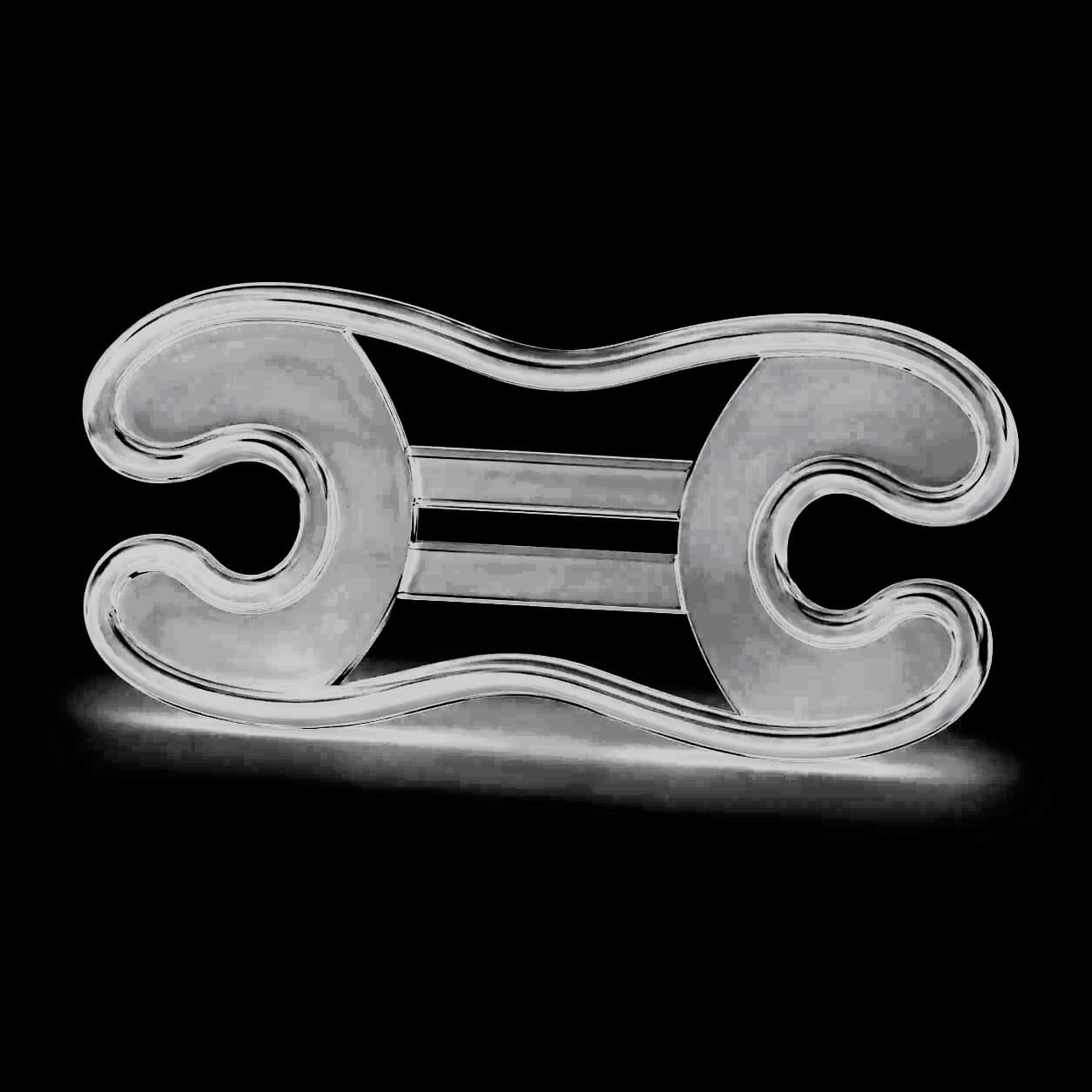
MFS muscle relaxant
A device with lateral discs worn in the oral vestibule outside the dental arches.
- Increased masticatory muscle tension
- Cheek and perioral muscle tension
- Alone or with a bite plate
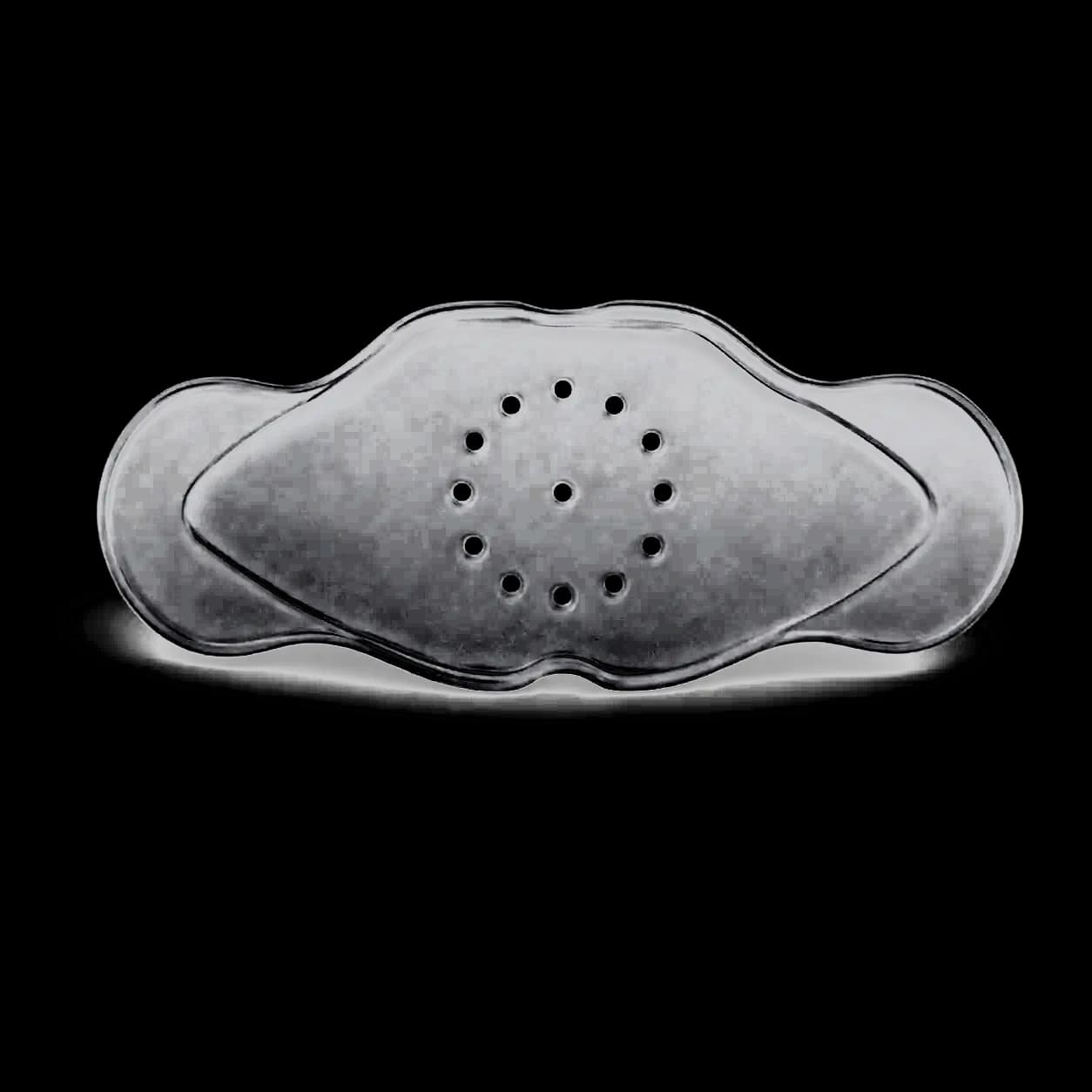
MFS oral obturator
A shield in the oral vestibule. Three types differ only by breathing-hole size and share the same shape.
- Three permeability types in progression
- Gradual reduction of mouth breathing
- Lip muscle work on the rim
Discuss device fitting
A physician or a therapist trained in function regulators selects the device and size after a functional assessment and within the orthodontic plan